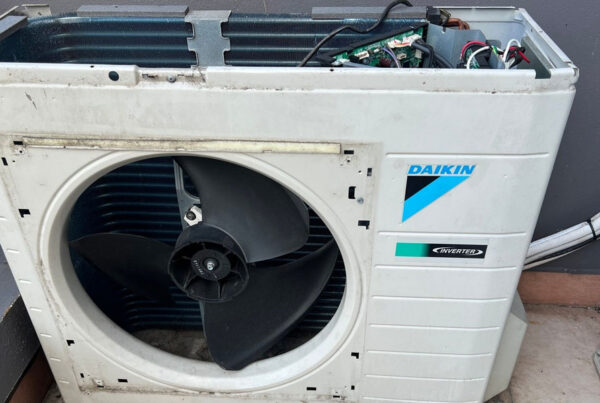
Determining the correct air conditioner maintenance schedule requires understanding how your specific usage patterns affect component wear, refrigerant integrity, and electrical system performance. Generic annual service recommendations fail to account for the substantial differences between a residential split system operating three months per year and a commercial installation running continuously. According to the Australian Institute of Refrigeration, Air Conditioning and Heating (AIRAH), 80% of air conditioning failures result from inadequate maintenance rather than component defects, making usage-based servicing essential for system reliability and warranty compliance.
At Vital Air Conditioning, our 25 years servicing Sydney air conditioning systems has demonstrated that proper maintenance intervals directly correlate with compressor longevity, energy efficiency retention, and compliance with AS/NZS 5149.1:2016 (Refrigerating Systems – Safety Requirements) and AS/NZS 3000:2018 (Electrical Installations – Wiring Rules).
Why Usage Patterns Determine Service Frequency
Air conditioning systems accumulate wear through operational hours rather than calendar time. A unit operating eight hours daily experiences approximately 2,920 operational hours annually, while a residential system used three months per year may only accumulate 540 hours. This five-fold difference in compressor cycles, refrigerant circulation, and fan motor operation directly impacts when critical components require inspection and maintenance.
According to Energy Rating Australia, poorly maintained air conditioners consume 15-30% more electricity than serviced units, with blocked filters alone reducing efficiency by up to 15%. This efficiency degradation accelerates proportionally with usage intensity. Understanding why regular maintenance prevents costly breakdowns helps establish appropriate service intervals based on actual system demands rather than arbitrary timeframes.
By the Numbers
- STATAccording to Energy Rating Australia, poorly maintained air conditioners consume 15-30% more electricity than serviced units
- STATAIRAH reports that 80% of air conditioning failures result from inadequate maintenance rather than component defects
- STATData from the Australian Refrigeration Council shows systems serviced annually by ARC Tick certified technicians have 40% fewer refrigerant leaks and last 3-5 years longer
Residential Air Conditioner Maintenance Schedule (Light to Moderate Use)
Residential systems operating seasonally (typically three to six months annually in Sydney’s climate) require professional servicing every 12 months. This annual maintenance should occur four to six weeks before peak summer demand, typically October to November, ensuring optimal performance when cooling loads are highest.
Between professional services, homeowners can perform basic maintenance tasks that do not require ARC Tick certification. Following proper filter maintenance procedures every four to six weeks during active use periods maintains airflow and prevents evaporator coil contamination. Cleaning external grilles and ensuring 300mm clearance around outdoor units per AS/NZS 3000:2018 requirements also falls within homeowner-permissible maintenance.
- ✓
Schedule annual servicing 4-6 weeks before peak summer season (October-November in Sydney) - ✓
Clean or replace filters every 4-6 weeks during active use periods - ✓
Verify technician holds current ARC Tick certification before refrigerant work - ✓
Document all servicing with dates and technician details for warranty compliance
Commercial Air Conditioning Maintenance Requirements
Commercial installations operating eight to twelve hours daily require six-monthly servicing to maintain performance and comply with AS/NZS 5149.1:2016 requirements for refrigerating systems. Office buildings, retail spaces, and hospitality venues across Sydney Metro, Hills District, Eastern Suburbs, and Inner West typically fall within this category, where system reliability directly impacts business operations and occupant comfort.
Six-monthly maintenance intervals address accelerated evaporator coil contamination, condensate drain blockages, and refrigerant seal degradation that occurs with extended operational hours. Commercial systems also benefit from optimising energy efficiency through proper maintenance, with serviced systems maintaining design SEER ratings and reducing operational costs by 15-30% compared to neglected equipment.
Standards Australia AS/NZS 5149.1:2016 requires commercial refrigeration systems above 3kg refrigerant charge to undergo mandatory leak testing at intervals determined by usage intensity and refrigerant type. Systems using R410A or R32 refrigerants in commercial applications require particular attention to pressure testing and leak detection due to their higher operating pressures and environmental impact classifications.
Heavy Usage Environments: Industrial and 24/7 Operations
Industrial facilities, data centres, hospitals, and manufacturing operations running air conditioning continuously require quarterly maintenance schedules. Systems operating 24/7 accumulate 8,760 operational hours annually, subjecting compressor bearings, fan motors, and refrigerant seals to continuous stress that necessitates frequent inspection and preventive maintenance.
Quarterly servicing for high-duty-cycle equipment includes comprehensive refrigerant pressure testing, compressor oil analysis, electrical connection thermal imaging, and condensate system inspection. These intensive maintenance protocols prevent catastrophic compressor failures that can cost $3,000 to $8,000 for replacement in commercial systems, far exceeding the cost of preventive quarterly servicing.
How System Type Affects Service Requirements
Different air conditioning configurations present distinct maintenance requirements based on component complexity, refrigerant distribution, and accessibility. Understanding maintenance differences between split and ducted systems helps establish appropriate service protocols for your specific installation.
Split systems with single indoor and outdoor units require straightforward annual servicing for residential applications, focusing on evaporator and condenser coil cleaning, refrigerant pressure verification, and electrical connection inspection. Multi-split systems serving multiple indoor units from one outdoor compressor require more extensive refrigerant line inspection due to longer pipe runs and additional connection points where leaks commonly develop.
Ducted systems demand additional maintenance attention for ductwork inspection, zone damper operation, and multiple supply grille cleaning. Ducted installations accumulate dust throughout the distribution system, requiring professional duct cleaning every three to five years depending on usage and environmental conditions. Return air grilles in ducted systems require quarterly inspection and cleaning to maintain design airflow rates and prevent evaporator coil contamination.
What Professional Servicing Includes Under AS/NZS 3000 and AS/NZS 5149
Comprehensive air conditioner maintenance by ARC Tick certified technicians addresses both electrical safety under AS/NZS 3000:2018 and refrigerant system integrity under AS/NZS 5149.1:2016. Understanding why ARC Tick licensed technicians are essential ensures compliance with Australian refrigerant handling regulations and electrical safety requirements.
- 1
Refrigerant Pressure TestingTechnicians measure suction and discharge pressures against manufacturer specifications, identifying refrigerant undercharge or overcharge conditions that reduce cooling capacity and increase compressor wear. AS/NZS 5149.1:2016 mandates pressure testing for systems above 3kg refrigerant charge at intervals determined by usage intensity.
- 2
Evaporator and Condenser Coil CleaningProfessional coil cleaning removes accumulated dust, pollen, and biological growth that reduces heat exchange efficiency by 15-30%. Contaminated coils force compressors to work harder, increasing energy consumption and accelerating component wear. Chemical cleaning restores design heat transfer coefficients measured in kW capacity retention.
- 3
Electrical Connection InspectionAS/NZS 3000:2018 requires licensed inspection of electrical terminations, contactors, and capacitors. Technicians measure voltage and current draw, identifying failing capacitors or loose connections that cause compressor overheating and premature failure. Thermal imaging detects high-resistance connections before they cause system shutdown.
- 4
Condensate Drain MaintenanceCondensate lines require flushing and biological treatment to prevent Legionella growth in Sydney’s humid climate, particularly important for systems operating year-round. Blocked drains cause water damage and create conditions for mould growth within ductwork and indoor units. AIRAH best practice guidelines recommend quarterly drain inspection for commercial systems.
Warning Signs Between Scheduled Services
Even with appropriate maintenance schedules, certain symptoms indicate immediate professional attention is required. Recognising signs your system needs immediate professional attention prevents minor issues from escalating into major component failures requiring costly emergency repairs.
- ✓
Reduced cooling capacity despite thermostat settings indicating refrigerant loss or compressor degradation - ✓
Unusual noises including grinding, squealing, or rattling from indoor or outdoor units - ✓
Water leaking from indoor unit suggesting blocked condensate drain or frozen evaporator coil - ✓
Electrical tripping or circuit breaker activation indicating electrical fault or compressor failure - ✓
Musty odours from supply vents indicating mould growth within ductwork or indoor coil
Vital Air Conditioning maintains 24/7 emergency availability for urgent repairs across Sydney Metro, addressing critical failures that cannot wait for scheduled maintenance appointments. Our ARC Tick certified technicians carry comprehensive diagnostic equipment and common replacement components for immediate repairs.
Long-Term Benefits of Usage-Based Maintenance
Implementing usage-appropriate maintenance schedules delivers measurable benefits in equipment longevity, energy efficiency, and warranty compliance. Data from the Australian Refrigeration Council shows that systems serviced annually by ARC Tick certified technicians have 40% fewer refrigerant leaks and last 3-5 years longer than unserviced equipment, representing substantial lifecycle cost savings.
Properly maintained systems retain design SEER efficiency ratings throughout their operational life, while neglected equipment experiences progressive efficiency degradation. According to Energy Rating Australia, this efficiency retention translates to 15-30% lower operating costs over the system’s lifespan. For commercial installations operating 8-12 hours daily, this efficiency difference represents thousands of dollars in annual energy savings.
Manufacturer warranties typically require documented proof of annual servicing by qualified technicians. Understanding how extending your system’s operational lifespan through proper maintenance protects your investment ensures warranty coverage remains valid for compressor failures or refrigerant leaks that would otherwise cost thousands in out-of-pocket repairs.
- ✓
Increase service frequency to 6-monthly if system operates more than 8 hours daily - ✓
Request refrigerant pressure test and leak detection during each service - ✓
Inspect condensate drain lines quarterly for blockages in high-humidity months - ✓
Check outdoor unit clearance remains 300mm minimum per AS/NZS 3000:2018 requirements
Vital Air Conditioning has serviced Sydney air conditioning systems for over 25 years with ARC Tick certified technicians available 24/7. Book your usage-appropriate maintenance service today and protect your investment with our comprehensive 5-year warranty on all workmanship.
Frequently Asked Questions About Air Conditioner Service Intervals
How often should I service my home air conditioner in Sydney?
Residential split systems with moderate use (3-6 months per year) require professional servicing annually, while ducted systems benefit from servicing every 12 months before peak cooling season. AS/NZS 3000:2018 (Electrical Installations) requires licensed inspection of electrical components, and refrigerant pressure checks must be performed by ARC Tick certified technicians under the Ozone Protection and Synthetic Greenhouse Gas Management Act 1989.
Do commercial air conditioners need more frequent servicing than residential units?
Yes, commercial systems operating 8-12 hours daily require servicing every 6 months, while 24/7 operations need quarterly maintenance. AS/NZS 5149.1:2016 (Refrigerating Systems – Safety Requirements) mandates more frequent refrigerant leak testing and compressor inspections for high-duty-cycle equipment, particularly systems using R410A or R32 refrigerants in continuous operation.
What happens if I skip annual air conditioner servicing?
Unserviced systems accumulate dust on evaporator coils reducing heat exchange efficiency by 15-30%, increasing compressor workload and energy consumption. Manufacturer warranties typically require proof of annual servicing by ARC Tick licensed technicians, and neglected maintenance can void warranty coverage for compressor failures or refrigerant leaks under AS/NZS 5149 compliance requirements.
Can I service my air conditioner myself or do I need a licensed technician?
Homeowners can clean filters and external grilles, but refrigerant handling, electrical testing, and pressure checks legally require an ARC Tick certified technician under Australian Refrigeration Council regulations. AS/NZS 3000:2018 prohibits unlicensed electrical work, and refrigerant work without proper certification carries penalties up to $13,320 for individuals under the Ozone Protection and Synthetic Greenhouse Gas Management Regulations 1995.
Does running my air conditioner year-round change service requirements?
Continuous operation increases service frequency from annual to 6-monthly intervals due to accelerated wear on compressor bearings, fan motors, and refrigerant seals. Systems with reverse-cycle heating operating through Sydney winters accumulate additional condensate and require more frequent drain line maintenance to prevent Legionella growth, as recommended by AIRAH (Australian Institute of Refrigeration, Air Conditioning and Heating) best practice guidelines.