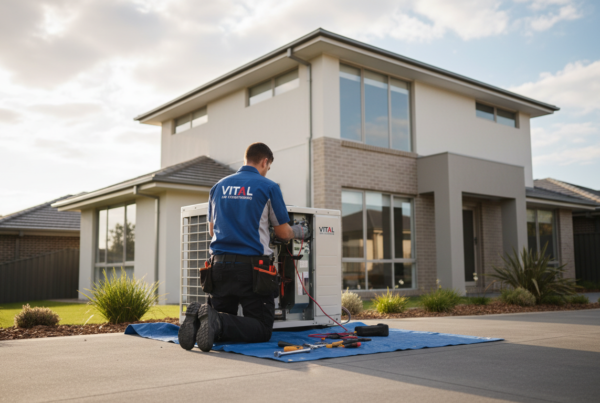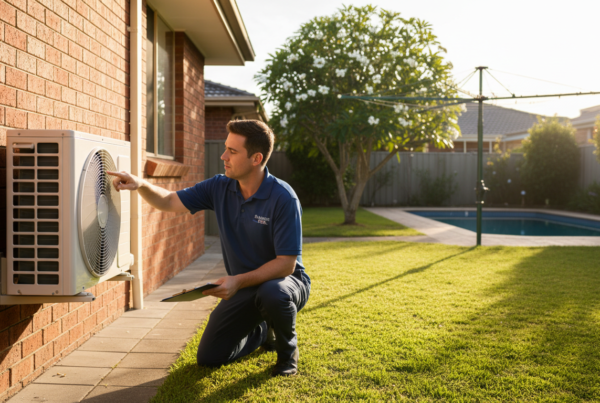
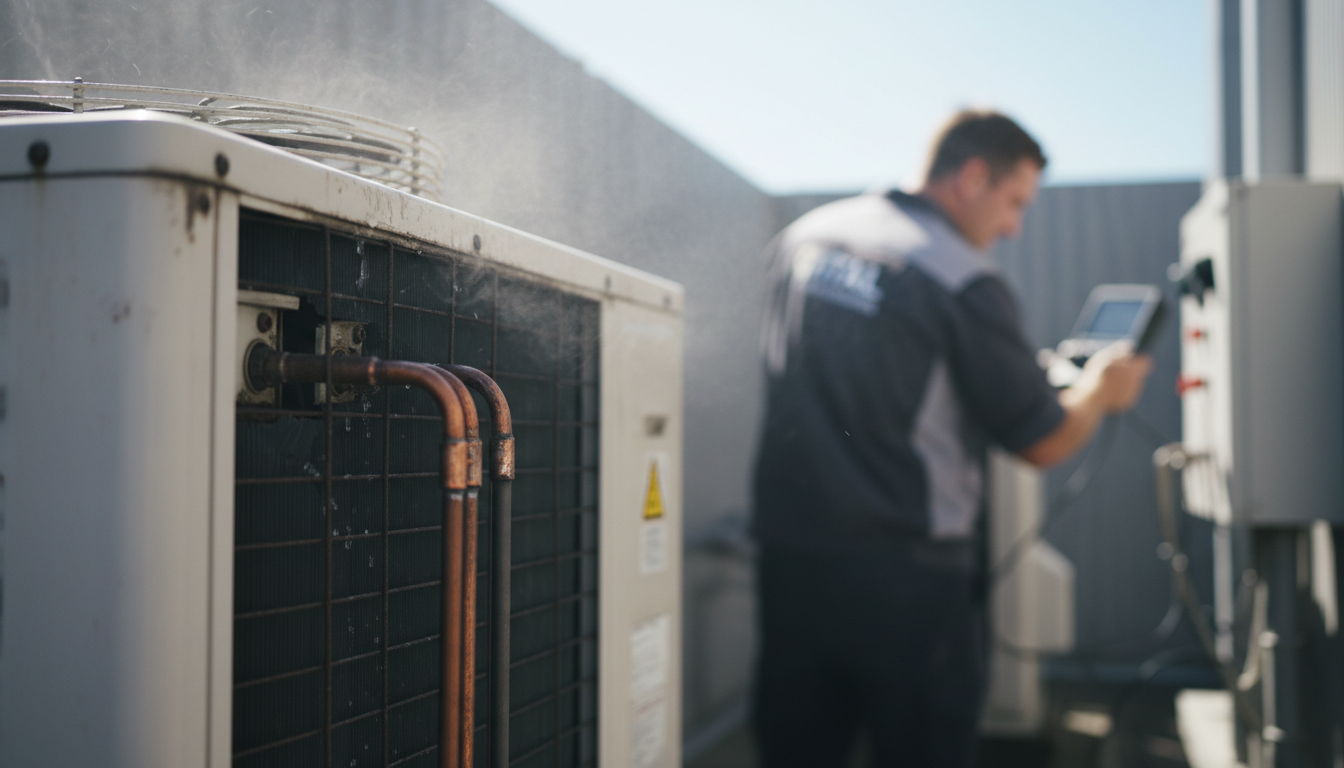
The Australian Institute of Refrigeration, Air Conditioning and Heating (AIRAH) estimates that 65% of emergency air conditioning service calls during summer heatwaves involve compressor failures, refrigerant leaks, or electrical component breakdowns that could have been prevented through pre-season maintenance. Understanding the specific air conditioning failures that occur when Sydney’s extreme temperatures push residential systems beyond their design limits helps homeowners identify warning signs early and avoid catastrophic breakdowns during peak cooling demand. Preparing your air conditioner for summer addresses many of these failure modes before they develop into expensive emergency repairs.
Vital Air Conditioning has been protecting Sydney homes from summer AC failures for over 25 years, and our ARC Tick certified technicians understand the unique operating stresses that Western Sydney’s climate places on residential cooling equipment. This guide explains the technical causes behind the most common summer failures, the specific conditions that trigger each breakdown mode, and the clear boundaries between homeowner maintenance tasks and situations requiring immediate licensed intervention.
By the Numbers
- STATThe Bureau of Meteorology reports that Western Sydney experiences an average of 12-18 days above 35°C each summer, with Penrith and Moorebank regularly recording temperatures 3-5°C higher than coastal suburbs
- STATAccording to Energy Rating Australia, air conditioning accounts for approximately 40% of household electricity consumption during Sydney summer months, with peak demand occurring between 2pm-8pm on days exceeding 35°C
- STATAIRAH estimates that 65% of emergency air conditioning service calls during summer heatwaves involve compressor failures, refrigerant leaks, or electrical component breakdowns that could have been prevented through pre-season maintenance
Why Sydney Summers Are Particularly Hard on Air Conditioning Systems
Air conditioning systems installed in Sydney operate under significantly harsher conditions than the design parameters specified in AS/NZS 3823.1.1:2012 (Performance of Electrical Appliances – Air Conditioners and Heat Pumps). This Australian Standard establishes testing conditions at 35°C outdoor ambient temperature, yet Western Sydney suburbs regularly experience sustained periods at 38-42°C during January and February heatwaves.
The urban heat island effect in areas like Moorebank, Bankstown, and Penrith creates particularly severe operating conditions. Dark roofing materials, concrete surfaces, and limited vegetation cause ambient temperatures around outdoor condenser units to exceed air temperature readings by 3-5°C. When an outdoor unit positioned on a western-facing wall operates in 40°C ambient conditions with direct afternoon sun exposure, the actual heat rejection load can push compressor discharge temperatures beyond 90°C.
These extreme conditions reduce system coefficient of performance (COP) dramatically. A split system rated at COP 3.5 under standard test conditions may operate at COP 2.2 or lower during peak Sydney summer conditions, requiring 60% more electrical input to achieve the same cooling output. This sustained high-load operation accelerates wear on every component in the refrigeration circuit and electrical system.
Compressor Overheating and Failure During Extended Heatwaves
Compressor failure represents the most catastrophic and expensive summer breakdown, typically requiring complete outdoor unit replacement on residential split systems. The compressor operates as a high-pressure pump that circulates refrigerant through the cooling circuit, and sustained operation at elevated discharge temperatures causes permanent damage to motor windings, bearing surfaces, and valve plates.
Normal compressor discharge temperatures range from 65-75°C under standard operating conditions. During 40°C+ ambient conditions with inadequate refrigerant charge or restricted airflow, discharge temperatures can exceed 95°C, triggering the thermal overload protection specified in AS/NZS 60335.2.40:2017 (Household and Similar Electrical Appliances – Safety – Particular Requirements for Heat Pumps, Air-Conditioners and Dehumidifiers). The thermal cutout cycles the compressor off to prevent immediate catastrophic failure, but repeated thermal stress events cause cumulative damage to motor insulation and bearing lubrication.
Three primary conditions cause compressor overheating during Sydney summers. Low refrigerant charge forces the compressor to work harder to achieve target cooling capacity, reducing the mass flow rate of refrigerant available to cool motor windings. Restricted condenser airflow from accumulated debris, vegetation growth, or inadequate clearance prevents proper heat rejection, elevating condensing pressure and discharge temperature. Dirty evaporator coils or blocked return air filters reduce refrigerant evaporation efficiency, causing the compressor to operate with insufficient superheat and inadequate motor cooling.
Recognizing early signs your air conditioner needs professional servicing prevents progression from minor performance issues to complete compressor failure. Warning indicators include frequent thermal cutout cycling, reduced cooling capacity during peak afternoon heat, unusual compressor noise indicating bearing wear, or elevated electrical current draw measured at the circuit breaker.
Refrigerant Leaks During Peak Load Conditions
Refrigerant leaks develop more frequently during summer operation due to thermal expansion stresses on brazed joints, flare connections, and service port valves. Modern refrigerants including R32 and R410A operate at significantly higher pressures than legacy R22 systems, with condensing pressures reaching 2800-3200 kPa during 40°C ambient conditions compared to standard operating pressures of 2400-2600 kPa.
This elevated pressure differential places maximum stress on every connection point in the refrigeration circuit. Flare connections on outdoor unit service valves experience repeated thermal cycling as ambient temperatures fluctuate between overnight lows of 20-25°C and afternoon peaks of 38-42°C. Brazed joints on copper refrigerant lines expand and contract with each thermal cycle, and any joint with inadequate penetration or contamination develops micro-cracks that propagate under sustained high-pressure operation.
The primary symptom of refrigerant loss during summer operation is reduced cooling capacity that becomes progressively worse as outdoor temperature increases. A system with 20% refrigerant loss may provide adequate cooling during mild 28-30°C conditions but completely fails to maintain comfortable indoor temperatures when ambient conditions exceed 35°C. Homeowners often notice why your AC is blowing hot air during summer as the most obvious indication of refrigerant system failure.
Proper refrigerant leak diagnosis requires pressure testing per AS/NZS 5149.1:2016 (Refrigerating Systems and Heat Pumps – Safety and Environmental Requirements – Definitions, Classification and Selection Criteria) and electronic leak detection equipment capable of identifying R32 and R410A at concentrations below 5 grams per year. Only ARC Tick certified technicians possess the legal authority and technical equipment to perform refrigerant system diagnostics, leak repair, and system recharging with proper refrigerant recovery procedures.
Condensate Drain Blockages and Water Damage
Summer operation generates significantly higher condensate volumes than mild-weather operation due to increased moisture removal from humid Sydney air. A typical 7kW split system operating at full capacity during 35°C conditions with 60% relative humidity removes 2-3 litres of condensate per hour. This continuous water production places maximum demand on condensate drainage systems that may have accumulated algae growth, dust accumulation, or insect nests during periods of light use.
Condensate drain blockages cause water to back up into the indoor evaporator drain pan, eventually overflowing onto ceilings, walls, or floor coverings. The overflow typically occurs during peak afternoon operation when condensate production reaches maximum rates. Early warning signs include water staining around the indoor unit, musty odours indicating standing water in the drain pan, or gurgling sounds from the condensate drain line during system operation.
Understanding the common causes of water leaks and their fixes helps homeowners distinguish between simple drain maintenance and situations requiring professional intervention. Accessible drain line sections can be cleared using a wet-dry vacuum applied to the outdoor drain termination point, but drain lines routed through wall cavities or ceiling spaces require professional access and cleaning equipment.
Preventative condensate system maintenance includes quarterly drain line flushing with diluted vinegar solution during summer months, verification that drain lines maintain continuous downward slope without sag points where water accumulates, and installation of drain line access points that permit annual professional cleaning. Systems installed in commercial applications or multi-storey residences benefit from condensate pump installation to ensure positive drainage regardless of elevation constraints.
Evaporator Coil Freezing Despite Hot Weather
Evaporator coil freezing represents one of the most counterintuitive air conditioning failures during Sydney summers, yet restricted airflow conditions commonly cause ice formation on indoor coils even when outdoor temperatures exceed 40°C. The evaporator coil operates at 4-8°C surface temperature during normal cooling operation, and any condition that reduces airflow below design specifications causes coil temperature to drop below freezing point.
Blocked return air filters represent the most common cause of summer evaporator freezing. A filter loaded with dust, pet hair, and airborne particles restricts airflow across the evaporator coil, reducing heat transfer and causing refrigerant to remain in liquid phase longer than design specifications. This extended liquid refrigerant presence drops coil surface temperature below 0°C, causing moisture in the air stream to freeze on coil fins and further restrict airflow in a progressive failure cycle.
Low refrigerant charge also causes evaporator freezing through a different mechanism. Insufficient refrigerant mass flow reduces evaporator pressure below normal operating range, dropping refrigerant saturation temperature and coil surface temperature. The combination of low refrigerant charge and restricted airflow creates the most severe freezing conditions, often resulting in complete ice blockage of the evaporator coil within 2-4 hours of continuous operation.
Detailed guidance on how to prevent your air conditioner from freezing up addresses both homeowner maintenance tasks and technical issues requiring licensed diagnosis. Immediate response to evaporator freezing involves shutting down the system and allowing complete ice melt before attempting restart, as operating with ice blockage causes compressor damage from liquid refrigerant flooding.
Electrical Component Failures and Circuit Breaker Trips
Electrical system failures increase dramatically during summer operation due to sustained high current draw and elevated ambient temperatures affecting outdoor electrical components. A 7kW split system operating at maximum capacity during 40°C conditions draws 8-10 amps continuously for 6-8 hours during peak afternoon heat, placing maximum stress on contactors, wiring connections, and circuit protection devices.
Circuit breaker trips during air conditioning operation indicate one of three conditions. Genuine overload occurs when the compressor and fan motors draw current exceeding the circuit breaker rating, typically caused by compressor bearing wear, seized fan motor bearings, or low supply voltage during peak demand periods. Short circuit conditions from damaged wiring insulation or failed components cause immediate high-current faults that trip breakers within milliseconds. Nuisance tripping from aged circuit breakers occurs when the thermal trip mechanism has degraded and trips at current levels below nameplate rating.
Electrical connections at outdoor unit terminals experience thermal cycling between ambient temperature and elevated temperatures from current flow. Loose terminal connections develop increased resistance, causing localized heating that further degrades connection integrity. This progressive failure mode eventually causes complete connection failure or creates arcing conditions that damage contactors and terminal blocks.
All electrical diagnosis and repair work must comply with AS/NZS 3000:2018 (Electrical Installations) and requires licensed electrical qualifications. Air conditioning technicians performing electrical work on refrigeration equipment must hold both electrical licensing and ARC Tick refrigerant handling certification to legally service complete air conditioning systems.
Capacitor Failures Under Sustained High Temperatures
Run capacitors and start capacitors represent the most temperature-sensitive electrical components in residential air conditioning systems, with failure rates increasing exponentially when ambient temperatures exceed 45°C. These components store electrical charge to provide starting torque for compressor and fan motors, and capacitor dielectric materials degrade rapidly under sustained high-temperature operation.
A typical compressor run capacitor rated at 35-45 microfarads operates at internal temperatures 15-20°C above ambient conditions due to dielectric losses and heat absorption from surrounding components. When outdoor unit ambient temperature reaches 42°C during western Sydney summer afternoons, capacitor internal temperature approaches 60°C, accelerating electrolyte evaporation and dielectric breakdown. Capacitors installed in outdoor units with inadequate ventilation or direct sun exposure experience even more severe thermal stress.
Capacitor failure symptoms include compressor or fan motor failure to start, hard starting with multiple start attempts before successful operation, or humming sounds from the outdoor unit without compressor operation. Complete capacitor failure prevents system startup entirely, while partial capacitor degradation causes reduced motor starting torque and elevated current draw that may trip circuit breakers during startup.
Capacitor testing requires specialized equipment to measure capacitance in microfarads and verify values remain within 6% of nameplate rating per manufacturer specifications. Visual inspection identifies bulging capacitor cases, electrolyte leakage, or discoloured terminals indicating thermal damage. Capacitor replacement represents a straightforward repair for licensed technicians but requires proper discharge procedures to prevent electrical shock from stored charge.
How to Prevent Summer AC Failures Before They Happen
Preventative maintenance performed 4-6 weeks before peak summer demand reduces catastrophic failure risk by 60-75% according to industry service data. This timing allows homeowners to identify and address developing issues before extreme heat places maximum stress on aging or marginal components. A comprehensive pre-summer maintenance checklist for Sydney homes addresses both homeowner-accessible tasks and professional service requirements.
Professional pre-season service includes refrigerant pressure testing to verify correct charge per manufacturer specifications, electrical connection inspection and tightening per AS/NZS 3000 requirements, capacitor testing with microfarad measurement, condenser coil cleaning to restore heat rejection capacity, and condensate drain line flushing. Systems older than 8-10 years benefit from additional compressor current draw measurement to identify bearing wear before catastrophic failure occurs.
- ✓
Schedule professional pre-summer service 4-6 weeks before December to test refrigerant pressures, electrical connections, and capacitor condition - ✓
Replace or clean air filters every 4-6 weeks during summer operation to maintain airflow and prevent evaporator coil freezing - ✓
Clear outdoor condenser unit of debris, vegetation, and obstructions within 500mm radius to ensure adequate heat rejection - ✓
Test system operation during mild weather (25-28°C) to identify performance issues before extreme heat arrives - ✓
Verify condensate drain lines are clear and draining freely to prevent water damage during high-humidity summer conditions - ✓
Check that outdoor unit has adequate shade or ventilation, as units in direct western sun operate 15-20% less efficiently - ✓
Confirm your technician holds current ARC Tick certification before permitting any refrigerant-related work
Homeowner maintenance tasks focus on maintaining adequate airflow and ensuring proper drainage. Monthly filter inspection during summer operation identifies dust accumulation before it restricts airflow sufficiently to cause evaporator freezing. Quarterly condensate drain line flushing prevents algae growth and blockages that cause water damage. Annual outdoor unit cleaning removes accumulated debris, spider webs, and vegetation that restrict condenser airflow and elevate operating pressures.
When to Call a Licensed Technician for Summer Repairs
Certain failure symptoms require immediate professional intervention to prevent progressive damage or safety hazards. Complete system failure during extreme heat conditions warrants emergency air conditioning repair services, particularly for households with elderly residents, young children, or medical conditions affected by heat exposure.
Refrigerant-related symptoms including reduced cooling capacity, ice formation on refrigerant lines, or hissing sounds indicating active leaks require ARC Tick certified technician response. The Ozone Protection and Synthetic Greenhouse Gas Management Act 1989 prohibits unlicensed individuals from accessing refrigerant systems, and attempting DIY refrigerant work carries significant legal penalties and environmental consequences.
Electrical symptoms including burning odours, sparking sounds, repeated circuit breaker trips, or visible damage to wiring insulation require immediate system shutdown and licensed electrical assessment. Continuing to operate systems with electrical faults creates fire hazards and may cause progressive damage to expensive components including compressors and control boards.
Water damage from condensate overflow warrants professional drain line service if homeowner clearing attempts prove unsuccessful. Drain lines routed through wall cavities or ceiling spaces require specialized access and cleaning equipment to remove blockages without causing building structure damage.
Systems exhibiting progressive performance degradation over multiple summer seasons benefit from comprehensive assessment by experienced technicians. Vital Air Conditioning provides detailed system evaluation including refrigerant charge verification, electrical component testing, and airflow measurement to identify developing issues before they progress to catastrophic failures during peak demand periods.
Frequently Asked Questions
Why does my air conditioner fail more often during Sydney summers?
Sydney’s sustained 35-40°C temperatures force air conditioning systems to operate at maximum capacity for extended periods, placing extreme stress on compressors, capacitors, and refrigerant systems. According to the Bureau of Meteorology, Western Sydney regularly experiences ambient temperatures exceeding the design conditions specified in AS/NZS 3823.1.1 (Performance of Electrical Appliances – Air Conditioners and Heat Pumps), accelerating component wear and increasing failure rates by up to 300% during heatwave periods. The urban heat island effect in suburbs like Moorebank creates particularly harsh conditions where outdoor units operate in temperatures 3-5°C above official readings.
What is the most common air conditioning failure during Sydney heatwaves?
Compressor failure is the most catastrophic and common breakdown during sustained heat, typically caused by inadequate refrigerant charge, restricted airflow from dirty filters, or electrical issues. Only ARC Tick certified technicians are legally permitted to diagnose and repair refrigerant-related faults under the Ozone Protection and Synthetic Greenhouse Gas Management Act 1989, as improper handling of R32, R410A, or R134a refrigerants carries significant environmental and legal penalties. Compressor replacement typically costs $1,800-$3,200 for residential split systems, making preventative maintenance far more economical than emergency repairs.
Can I prevent my air conditioner from breaking down in summer?
Pre-season maintenance performed by a licensed technician reduces summer failure risk by 60-75%. This includes refrigerant pressure testing per AS/NZS 5149.1 (Refrigerating Systems – Safety Requirements), electrical connection inspection per AS/NZS 3000 (Electrical Installations), condenser coil cleaning, and capacitor testing. Systems older than 10 years or showing reduced cooling capacity should receive professional assessment before peak summer demand. Homeowners can maintain filters monthly and ensure outdoor units have adequate clearance, but refrigerant system work requires ARC Tick certification and specialized equipment.
How quickly can a compressor fail in extreme Sydney heat?
A compressor operating with low refrigerant charge or restricted airflow can fail within 2-6 hours of continuous operation during 40°C+ conditions. The thermal overload protection specified in AS/NZS 60335.2.40 (Safety of Household Appliances – Heat Pumps and Air Conditioners) may cycle the unit off, but repeated thermal stress causes permanent winding damage, bearing seizure, or valve plate failure requiring complete compressor replacement. Systems showing frequent thermal cutout cycling during peak heat require immediate professional assessment to prevent catastrophic failure.
Vital Air Conditioning has been protecting Sydney homes from summer AC failures for over 25 years. Our ARC Tick certified technicians provide 24/7 emergency repairs and comprehensive pre-summer servicing backed by our 5-year workmanship warranty. Contact us today to schedule your pre-season inspection and avoid costly breakdowns when you need cooling most.