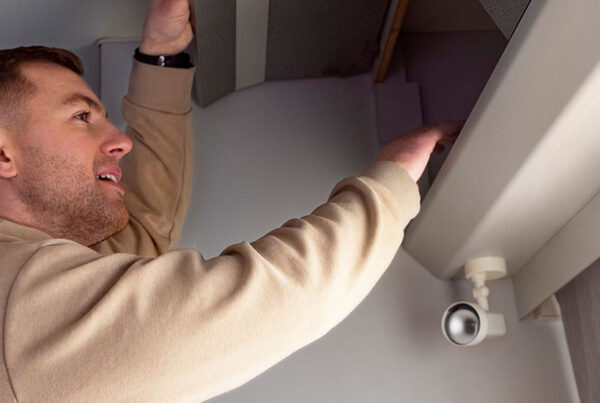
Recognising the early warning signs of air conditioner repair needs can save Sydney homeowners thousands in emergency breakdown costs during peak summer months. According to AIRAH industry data, 68% of catastrophic air conditioning failures in Australian commercial and residential installations were preceded by detectable warning signs that went unaddressed for 4-8 weeks. Vital Air Conditioning’s ARC Tick licensed technicians have serviced Sydney’s split-system installations for over 25 years, and we consistently observe that early professional intervention reduces total repair costs by 40-60% compared to emergency callouts. This guide outlines specific technical indicators that signal imminent system failure, the diagnostic procedures used to confirm these faults, and when immediate shutdown protocols under AS/NZS 3000:2018 (Electrical installations — Wiring rules) become necessary to prevent secondary damage or safety hazards.
Unusual Noises: Grinding, Squealing, or Metal-on-Metal Contact
Audible changes in your air conditioner’s operation provide the earliest indication of mechanical wear. Grinding noises typically originate from compressor bearing failure or fan motor degradation, while high-pitched squealing indicates belt wear in older ducted systems or failing fan bearings in split-system indoor units. Metal-on-metal contact sounds suggest loose components, failed mounting hardware, or blade strike against housing due to thermal expansion or improper installation.
Standards Australia technical committee data shows that compressor failures account for 42% of total air conditioning system replacements in Australia, with bearing wear and electrical winding damage being the primary failure modes. When bearing surfaces lose lubrication or develop scoring, the resulting friction generates heat that accelerates refrigerant breakdown and contaminates the entire sealed system with metal particles. This contamination necessitates complete system replacement rather than isolated compressor exchange in most residential installations.
Clicking or chattering from the outdoor unit points to failing contactors or relay switches, which control compressor and fan motor operation. These electrical components cycle thousands of times per cooling season and eventually develop contact surface pitting that creates resistance, heat, and intermittent connection. If you notice any of these signs requiring immediate professional servicing, schedule diagnostic inspection before the component fails completely and potentially damages downstream electrical circuits.
Declining Cooling Performance: Reduced kW Output or Airflow
Gradual reduction in cooling capacity represents one of the most common pre-failure indicators, yet homeowners often attribute this decline to increased ambient temperatures rather than system degradation. Energy Rating Australia reports that air conditioners operating with refrigerant undercharge of 15-20% consume 25-40% more electricity while delivering only 60-75% of rated cooling capacity. This inefficiency compounds over weeks, creating measurable increases in operating costs before complete failure occurs.
Reduced airflow from supply diffusers indicates either evaporator coil blockage from dust accumulation, failed blower motor capacitors reducing fan speed, or ductwork restrictions in ducted systems. ARC Tick technicians measure static pressure across the evaporator coil and compare readings against manufacturer specifications to quantify airflow reduction. Pressure drops exceeding 125 Pa typically indicate coil blockage requiring chemical cleaning per AS/NZS 3666.2:2011 (Air-handling and water systems of buildings — Microbial control — Operation and maintenance) protocols.
Declining refrigerant charge affects both cooling capacity and system efficiency through multiple mechanisms. Insufficient refrigerant reduces heat absorption at the evaporator coil, increases compressor discharge temperatures beyond safe operating limits, and compromises compressor lubrication through inadequate oil return. These common problems and their diagnostic approaches require superheat and subcooling measurements at the evaporator and condenser coils respectively, using calibrated digital manifolds and pressure-temperature charts specific to R32, R410A, or R290 refrigerants prevalent in Australian split-system installations.
By the Numbers
- STATEnergy Rating Australia reports that air conditioners operating with refrigerant undercharge of 15-20% consume 25-40% more electricity while delivering only 60-75% of rated cooling capacity
- STATAccording to AIRAH industry data, 68% of catastrophic air conditioning failures in Australian installations were preceded by detectable warning signs that went unaddressed for 4-8 weeks
Frequent Cycling: Compressor Short-Cycling Under 10 Minutes
Compressor short-cycling describes the condition where the outdoor unit starts and stops at intervals shorter than 10 minutes, preventing adequate heat transfer and compromising system efficiency. AIRAH DA09 Design Guide specifies minimum run times of 12-15 minutes for efficient moisture removal and compressor lubrication, with shorter cycles indicating refrigerant charge issues, oversized equipment, faulty thermistor sensors, or electrical supply problems.
Refrigerant undercharge causes rapid pressure equalisation between high and low sides of the system, triggering premature compressor shutdown through low-pressure cutout switches. Conversely, overcharge creates excessive head pressure that activates high-pressure safety switches. Both conditions prevent normal cycling and accelerate compressor wear through inadequate lubrication during abbreviated run cycles. ARC Tick technicians diagnose charge-related cycling through superheat and subcooling measurements per AS/NZS 5149.2:2016 (Refrigerating systems — Safety requirements, Part 2: Design, construction, testing, marking and documentation), comparing field measurements against manufacturer specifications for ambient conditions.
Oversized systems relative to room heat load represent a common installation error that manifests as short-cycling once equipment ages beyond the first 3-5 years. When cooling capacity significantly exceeds space requirements, the system satisfies thermostat setpoint before adequate runtime for moisture removal, creating uncomfortable humidity levels and excessive compressor starts per hour. This cycling pattern requires assessment of whether your system needs replacement rather than repair, as correctly sizing replacement equipment eliminates the underlying cause.
Moisture Accumulation: Condensate Pan Overflow or Drain Blockages
Condensate drainage failures create water damage, biological growth, and eventual system shutdown through float switch activation. During normal operation, evaporator coils operating below dew point temperature extract 10-20 litres of moisture daily from Sydney’s humid subtropical climate, with this condensate requiring continuous drainage through AS/NZS 3500.3:2018 (Plumbing and drainage — Stormwater drainage) compliant piping to approved discharge points.
Drain line blockages develop from algae growth, dust accumulation, or insect nests within the condensate piping. These blockages cause water to back up into the drain pan, eventually triggering float switches that shut down the system to prevent water damage. Regular inspection reveals standing water, biological slime, or overflow staining around the indoor unit. The technical details of condensate drainage issues and their underlying causes include inadequate drain line slope, missing or damaged P-traps allowing drain seal loss, and undersized piping for system capacity.
Frozen evaporator coils indicate restricted airflow or refrigerant undercharge, both of which lower coil surface temperature below freezing point. Ice formation blocks airflow completely, causing system shutdown and subsequent ice melt that overwhelms drain pan capacity. This cycle repeats until the underlying cause receives professional diagnosis and correction through airflow measurement, filter replacement, or refrigerant charge adjustment by ARC Tick certified technicians.
Electrical Irregularities: Breaker Trips or Voltage Fluctuations
Circuit breaker trips represent serious electrical faults requiring immediate system shutdown and professional inspection. AS/NZS 3000:2018 mandates that electrical installations maintain insulation integrity, proper earthing, and overcurrent protection sized to conductor capacity. When breakers trip during air conditioner operation, the fault typically originates from compressor winding short circuits, failed capacitors creating inrush current spikes, or degraded wire insulation allowing earth faults.
Compressor locked rotor conditions occur when mechanical seizure or failed starting components prevent motor rotation, drawing 5-8 times normal running current until breaker interruption. This condition damages compressor windings through excessive heat and requires immediate replacement rather than reset attempts. Capacitor failures create similar symptoms, as start or run capacitors provide the phase shift necessary for single-phase compressor operation. When capacitors lose capacitance through dielectric breakdown, compressor starting current increases beyond breaker rating.
Understanding why circuit breakers trip and what it indicates requires measurement of starting and running current using clamp meters, insulation resistance testing with megohm meters per AS/NZS 3000:2018 requirements, and thermal imaging to identify overheating connections. Vital Air Conditioning’s technicians carry calibrated test equipment for comprehensive electrical diagnosis, ensuring repairs meet Australian electrical safety standards and prevent fire hazards from degraded components.
Refrigerant Issues: Ice Formation on Evaporator Coils or Suction Lines
Ice accumulation on evaporator coils or refrigerant suction lines indicates either refrigerant undercharge or restricted airflow, both of which lower coil surface temperature below freezing point. AS/NZS 5149.1:2016 (Refrigerating systems — Safety requirements, Part 1: Definitions, classification and selection criteria) establishes refrigerant handling protocols that require ARC Tick certification for all diagnosis, recovery, and recharging procedures. Only licensed technicians may legally connect manifold gauges to refrigerant circuits or add refrigerant to systems.
Refrigerant leaks develop at brazed joints, flare connections, or through vibration-induced fatigue cracks in copper refrigerant lines. Sydney’s coastal environment accelerates corrosion at outdoor unit connections, particularly in installations within 5 kilometres of saltwater exposure. Leak rates as low as 10 grams per year create measurable performance degradation over 2-3 cooling seasons, eventually causing compressor failure through inadequate lubrication and excessive discharge temperatures.
Electronic leak detection per AS/NZS 5149.1:2016 uses heated diode or infrared sensors capable of detecting refrigerant concentrations as low as 3 grams per year. Technicians pressurise systems with nitrogen to 150% working pressure for standing pressure tests, monitoring pressure decay over 24-hour periods to quantify leak rates. Identified leaks require repair through brazing or component replacement, followed by evacuation to 500 microns absolute pressure, and recharge to manufacturer specifications using refrigerant recovery equipment that prevents atmospheric venting prohibited under the Ozone Protection and Synthetic Greenhouse Gas Management Act 1989.
Controller Display Errors: Fault Codes and Warning Indicators
Modern split-system controllers display alphanumeric fault codes that identify specific component failures or operating condition errors. These codes reference manufacturer-specific diagnostic trees that ARC Tick technicians use to isolate faults systematically. Common codes indicate high-pressure cutout activation, low-pressure switch trips, thermistor sensor failures, communication errors between indoor and outdoor units, or inverter drive faults in variable-speed compressor systems.
Thermistor sensor failures create erratic operation as the controller receives incorrect temperature data, causing premature shutdown, continuous operation, or failure to start. These sensors use negative temperature coefficient resistance that changes predictably with temperature, allowing technicians to verify sensor accuracy using resistance measurements at known temperatures. Sensor drift beyond manufacturer tolerance requires replacement to restore accurate temperature control.
Communication errors between indoor and outdoor units indicate damaged control wiring, loose connections, or electronic control board failures. These faults prevent coordinated operation between components and often manifest as intermittent operation or complete system shutdown. The resource for interpreting error codes displayed on your controller provides manufacturer-specific code definitions and recommended diagnostic procedures for common fault conditions.
Elevated Energy Consumption Without Usage Changes
Unexplained increases in electricity consumption of 15% or greater signal declining system efficiency from refrigerant loss, compressor wear, or airflow restrictions. The Australian Bureau of Statistics Energy Use Survey indicates that households experiencing air conditioner breakdowns during peak summer periods face average emergency repair costs 180% higher than scheduled maintenance interventions, making energy monitoring an effective early warning system for developing faults.
Smart meter data available through most Sydney electricity retailers provides daily consumption tracking that reveals gradual efficiency decline. Comparing current summer consumption against previous years’ data for similar weather conditions quantifies performance degradation. A 2.5 kW split system operating 8 hours daily should consume approximately 20 kWh per day at rated efficiency, with consumption exceeding 25 kWh indicating significant performance loss requiring professional diagnosis.
Compressor efficiency decline occurs gradually as internal wear increases friction, reduces volumetric efficiency, and elevates discharge temperatures. These changes increase electrical input while reducing cooling output, creating the characteristic pattern of rising consumption with declining comfort. Technicians measure compressor efficiency through amp draw comparison against nameplate ratings, superheat and subcooling analysis, and discharge temperature monitoring to quantify remaining service life.
Unusual Odours: Burning Insulation or Biological Growth
Burning plastic or electrical insulation odours require immediate system shutdown and professional inspection. According to Standards Australia, overheating typically results from undersized wiring, poor terminations, or capacitor failure, conditions that ARC Tick licensed electricians identify through thermal imaging and resistance testing. AS/NZS 3000:2018 mandates that electrical installations maintain insulation integrity to prevent fire hazards, with degraded insulation presenting serious safety risks.
Musty or mildew odours indicate biological growth within the evaporator coil, drain pan, or ductwork. Sydney’s humid climate creates ideal conditions for mould and bacteria proliferation on damp surfaces, particularly when systems operate intermittently or condensate drainage remains inadequate. AS/NZS 3666.2:2011 establishes microbial control procedures including chemical treatment, UV sterilisation, and physical cleaning to eliminate biological contamination and prevent health impacts from airborne spore distribution.
Refrigerant odours suggest significant leaks requiring immediate system shutdown. While most modern refrigerants are odourless, leaked refrigerant mixing with compressor oil creates distinctive chemical smells. The Ozone Protection and Synthetic Greenhouse Gas Management Act 1989 requires immediate leak repair and refrigerant recovery to prevent environmental harm, with only ARC Tick certified technicians authorised to perform these procedures.
When to Call an ARC Tick Licensed Technician
Immediate professional intervention becomes necessary when any of the following conditions occur: circuit breaker trips, burning odours, refrigerant leaks, ice formation on coils, or compressor short-cycling under 10 minutes. These symptoms indicate faults that worsen rapidly with continued operation, potentially causing secondary damage that increases repair costs by 200-400%. Vital Air Conditioning provides 24/7 emergency aircon repair services across Sydney Metro, Hills District, Eastern Suburbs, and Inner West, with ARC Tick licensed technicians responding within 2 hours for urgent breakdowns.
Preventative intervention proves most cost-effective when warning signs first appear but before catastrophic failure occurs. The recommended servicing intervals for different system types typically specify annual inspections before cooling season, with additional mid-season checks for commercial installations or systems operating in harsh environments. These inspections include refrigerant pressure testing, electrical load measurement, airflow verification, and condensate drainage assessment.
Diagnostic inspections by qualified technicians identify developing faults through systematic testing procedures that quantify system performance against manufacturer specifications. Vital Air Conditioning’s comprehensive diagnostic service includes thermal imaging of electrical connections, refrigerant superheat and subcooling measurement, static pressure testing across coils, and compressor performance analysis. These measurements provide objective data for repair recommendations and remaining service life estimates, allowing informed decisions about repair versus replacement based on actual system condition rather than age alone.
- ✓
Monitor compressor run cycles using a timer — cycles shorter than 10 minutes indicate potential refrigerant, sensor, or sizing issues requiring diagnosis - ✓
Check condensate drain pan weekly during cooling season for standing water, biological growth, or overflow indicating blockages in AS/NZS 3500.3:2018 compliant drainage - ✓
Document monthly electricity consumption via smart meter data to identify unexplained increases of 15% or greater suggesting declining system efficiency - ✓
Inspect evaporator coil through return air grille for ice formation, which indicates refrigerant undercharge, restricted airflow, or faulty expansion valve - ✓
Test circuit breaker response by noting any trips or resets, which signal electrical faults requiring immediate AS/NZS 3000:2018 compliant inspection - ✓
Record unusual noises by type and frequency — grinding suggests bearing failure, squealing indicates belt wear, clicking points to relay or contactor issues - ✓
Photograph any error codes displayed on controller and reference manufacturer documentation to determine fault severity and required response - ✓
Measure supply air temperature at diffuser using infrared thermometer — readings 8-10°C above expected indicate declining refrigerant charge or compressor efficiency
Vital Air Conditioning’s ARC Tick licensed technicians provide comprehensive diagnostic inspections across Sydney, backed by 25 years of experience and a 5-year workmanship warranty on all air conditioner repair services.
Frequently Asked Questions
How long before complete failure do warning signs typically appear?
Most pre-failure indicators manifest 2-6 weeks before catastrophic component failure, though compressor bearing wear and refrigerant leaks may show symptoms months earlier. According to AIRAH technical guidance, early intervention during the warning phase typically reduces repair costs by 40-60% compared to emergency breakdown callouts. ARC Tick licensed technicians use refrigerant pressure testing per AS/NZS 5149.1:2016 to quantify leak rates and predict remaining system life.
Can I continue running my air conditioner if it shows warning signs?
Continued operation with active warning signs risks secondary damage to compressor, fan motor, or electrical components, potentially increasing repair costs by 200-400%. AS/NZS 3000:2018 Wiring Rules require immediate shutdown if electrical faults such as breaker trips occur, as continued use presents fire and electrocution hazards. Refrigerant leaks require immediate cessation under Ozone Protection and Synthetic Greenhouse Gas Management Act 1989 to prevent environmental harm and maintain ARC Tick compliance.
What causes compressor short-cycling in split systems?
Short-cycling under 10-minute intervals typically indicates refrigerant undercharge, faulty thermistor sensors, or oversized system capacity relative to room load. AIRAH DA09 Design Guide specifies minimum run times of 12-15 minutes for efficient moisture removal and compressor lubrication. ARC Tick technicians diagnose using superheat and subcooling measurements per AS/NZS 5149.2:2016 and pressure-temperature charts specific to R32, R410A, or R290 refrigerants common in Australian installations.
Why does my air conditioner smell like burning plastic?
Burning odours indicate overheating electrical components, degraded wire insulation, or foreign material on heating elements, all requiring immediate shutdown and professional inspection. AS/NZS 3000:2018 mandates that electrical installations maintain insulation integrity to prevent fire hazards. According to Standards Australia, overheating typically results from undersized wiring, poor terminations, or capacitor failure, conditions that ARC Tick licensed electricians identify through thermal imaging and resistance testing.
How do I know if my system has a refrigerant leak?
Ice formation on evaporator coils or suction lines, declining cooling capacity despite normal airflow, and hissing sounds near refrigerant joints indicate probable leaks. AS/NZS 5149.1:2016 requires leak detection using electronic sensors or nitrogen pressure testing to 150% working pressure. Only ARC Tick certified technicians may legally handle refrigerants in Australia, with leak repairs documented per Ozone Protection and Synthetic Greenhouse Gas Management Regulations 1995.