Searching for “air conditioning service near me” returns dozens of results across Sydney, but not all HVAC contractors meet the technical and legal standards required for safe, compliant work. As a qualified technician with over 25 years servicing air conditioning systems in Moorebank and surrounding suburbs, I’ve seen the consequences of choosing price over credentials. This guide provides the trade-level criteria you need to evaluate contractors intelligently, focusing on licensing, insurance, technical capability, and compliance with Australian Standards.
Verify ARC Tick Licensing and Refrigerant Handling Credentials
Under the Ozone Protection and Synthetic Greenhouse Gas Management Act 1989, only technicians holding a current ARC Tick licence can legally purchase, handle, or work with refrigerants including R32, R410A, and R134a. According to the Australian Refrigeration Council, over 15,000 ARC Tick licence holders operate nationally, yet unlicensed refrigerant handling remains a significant compliance issue with penalties up to $13,320 for individuals under the Ozone Protection and Synthetic Greenhouse Gas Management Regulations 1995.
Before allowing any technician to service your system, request their ARC Tick licence number and verify it through the Australian Refrigeration Council’s online register. This certification confirms they’ve completed the required training in refrigerant recovery, leak detection, and pressure testing procedures mandated by AS/NZS 5149.1:2016 (Refrigerating systems — Safety requirements, Part 1: Definitions, classification and selection of refrigerants). Understanding why professional HVAC certification matters protects both your investment and the environment, as improper refrigerant handling contributes to ozone depletion and greenhouse gas emissions.
Check Insurance Coverage and Public Liability Requirements
A professional HVAC contractor in NSW must hold current public liability insurance with minimum $10 million coverage recommended for residential and commercial work. This protects you from financial liability if property damage or personal injury occurs during service. Workers compensation insurance is mandatory if the contractor employs staff, covering medical costs and lost wages for workplace injuries.
Request certificates of currency before work commences. These documents verify active coverage and should list the insurer, policy number, coverage amount, and expiry date. AS/NZS 5149.1 emphasizes safety protocols for refrigerating systems, and adequate insurance demonstrates a contractor’s commitment to professional standards and risk management. Vital Air Conditioning maintains comprehensive insurance coverage as part of our commitment to protecting Sydney homeowners throughout our 25-plus years of operation.
What Services Should a Reliable Technician Offer?
A qualified air conditioning service should provide comprehensive maintenance beyond basic filter cleaning. Look for contractors offering these technical capabilities:
- ✓
Refrigerant pressure testing and leak detection using electronic sensors calibrated to detect R32 and R410A concentrations - ✓
Electrical safety testing including voltage, amperage, and capacitor readings per AS/NZS 3000:2018 requirements - ✓
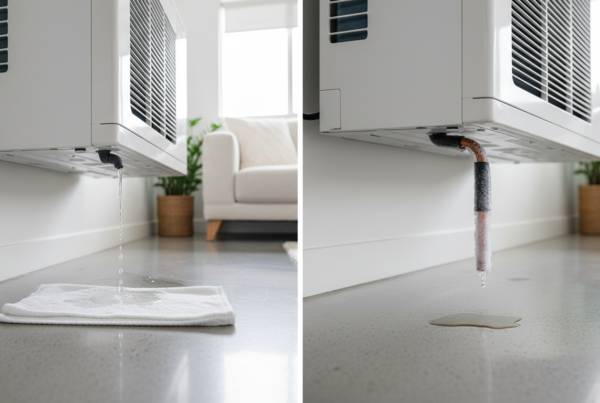
Condensate drain cleaning and testing, critical for Sydney’s humid coastal environment where algae and mould growth cause blockages - ✓
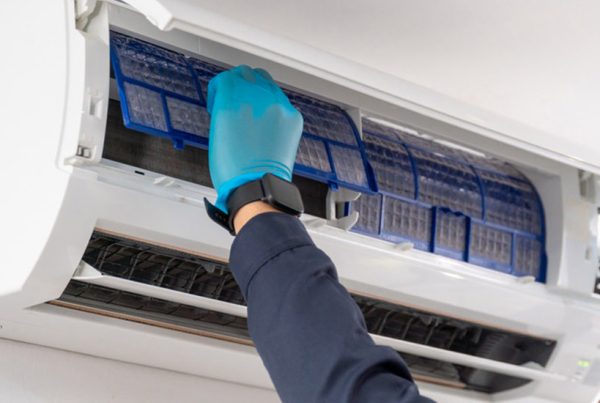
Coil cleaning using appropriate chemical treatments that won’t damage aluminium fins or copper tubing - ✓
Thermostat calibration and control system diagnostics to ensure accurate temperature regulation
AIRAH research indicates that 68 percent of residential HVAC system failures in Australia result from inadequate maintenance, with blocked condensate drains and dirty filters accounting for the majority of preventable service calls during peak summer months. Recognizing signs your system needs immediate attention helps prevent minor issues from escalating into costly repairs. A thorough service should include comprehensive servicing procedures that address both mechanical and electrical components.
By the Numbers
- STATEnergy Rating Australia data shows properly maintained air conditioners operate 15-20 percent more efficiently than neglected systems, with annual servicing preventing up to 95 percent of premature compressor failures in Sydney’s high-humidity coastal environment.
Evaluate Response Times and After-Hours Availability
System failures don’t respect business hours. During Sydney’s summer peak, when temperatures exceed 35 degrees Celsius, a broken air conditioner creates genuine health risks for vulnerable occupants. Evaluate contractors based on their emergency response capabilities, including after-hours availability, weekend service, and typical response times for urgent calls.
Ask specific questions about emergency service protocols. Do they dispatch technicians directly or use a call centre? What’s the average response time for priority calls? Do they stock common replacement parts for immediate repairs, or will you wait days for components? For commercial clients or medical facilities requiring continuous cooling, confirm the contractor can provide temporary cooling solutions while repairs are completed.
Ask About Preventative Maintenance Programs and Service Intervals
AIRAH (Australian Institute of Refrigeration, Air Conditioning and Heating) recommends annual servicing for residential systems, with pre-summer inspections essential for Sydney’s humid subtropical climate. Systems in coastal areas like Moorebank may require more frequent attention due to salt air exposure accelerating corrosion on outdoor units. Understanding the recommended servicing frequency for Sydney conditions helps you evaluate whether a contractor’s maintenance program aligns with industry standards.
A structured preventative maintenance program should include scheduled visits, priority response for breakdowns, discounted service rates, and detailed service reports documenting system performance over time. These programs typically cost less than reactive repairs and extend equipment lifespan significantly. Commercial systems operating continuously should follow AS/NZS 1668.2:2012 (The use of ventilation and airconditioning in buildings — Mechanical ventilation for acceptable indoor air quality) maintenance schedules with quarterly inspections.
Compare Transparent Pricing and Written Quotations
Under Australian Consumer Law, service providers must give clear pricing information before work begins. A detailed written quotation should itemize labour charges, parts costs, refrigerant expenses by type and quantity, and compliance testing fees. For work exceeding $1,000 in NSW, a formal contract is recommended detailing scope, timeline, and warranty terms.
Be wary of quotes that seem significantly lower than competitors. According to industry data, refrigerant costs alone for a typical R410A recharge range from $80 to $150 per kilogram, depending on market conditions. A suspiciously cheap quote may indicate the contractor plans to cut corners on refrigerant recovery, skip pressure testing, or use non-compliant parts. Learning about understanding repair quotes and pricing structures helps you identify fair pricing versus predatory practices.
- 1
Request itemized quotationsEnsure quotes separate labour, materials, refrigerant costs by kilogram, and compliance testing fees required under AS/NZS 5149.2 for pressure testing and leak detection.
- 2
Clarify call-out feesAsk whether diagnostic fees apply if you decline repairs, and whether call-out charges are waived if you proceed with quoted work.
- 3
Verify refrigerant documentationARC Tick regulations require technicians to document refrigerant type, quantity added or recovered, and disposal methods. This documentation proves compliance and helps track system performance.
Check Warranty Coverage and Workmanship Guarantees
Reputable services offer minimum 12-month warranties on workmanship and installed parts, separate from manufacturer equipment warranties. For refrigerant circuit work governed by AS/NZS 5149.2:2016 (Refrigerating systems — Safety requirements, Part 2: Design, construction, testing, marking and documentation), expect warranties covering leak-free operation and pressure testing results.
Vital Air Conditioning provides a 5-year workmanship warranty on repairs and installations, exceeding industry standards and demonstrating confidence in technical execution. This extended coverage reflects our 25-plus years serving Sydney homeowners and our commitment to quality that outlasts minimum legal requirements. Understanding how maintenance extends equipment lifespan helps you see warranty coverage as part of a larger value proposition rather than an isolated benefit.
Read Reviews and Verify Local Service History
Online reviews provide insights into contractor reliability, but evaluate them critically. Look for reviews mentioning specific technical details such as response times, quote accuracy, follow-up service quality, and resolution of warranty claims. Generic five-star reviews without detail may be fabricated, while thoughtful critiques often reveal how a company handles problems.
Verify the contractor’s local service history by asking for references from customers in your area. A company operating in Sydney Metro, Hills District, Eastern Suburbs, and Inner West for decades will have established relationships with suppliers, knowledge of local building codes, and familiarity with common issues affecting systems in coastal humidity. Longevity in the market signals sustained compliance with licensing requirements and customer satisfaction.
Confirm Compliance with AS/NZS 3000 and Electrical Safety Standards
Standards Australia reports that AS/NZS 3000:2018 (Electrical installations, known as the Australian/New Zealand Wiring Rules) compliance is mandatory for all electrical work on air conditioning systems, with licensed electricians required for any work on circuits exceeding extra-low voltage thresholds of 50V AC. Split system installations involve high-voltage connections to outdoor condensers, requiring proper earthing, circuit protection, and cable sizing.
Verify the contractor holds current electrical licences through NSW Fair Trading. Licence numbers should appear on quotes and invoices. Electrical work performed by unlicensed technicians voids insurance coverage and creates serious fire risks. Proper installation includes dedicated circuits with appropriate amperage ratings, residual current devices for shock protection, and weatherproof connections meeting IP ratings for outdoor exposure.
What Questions Should You Ask Before Hiring an Air Conditioning Service?
Prepare specific questions that reveal technical competency and business practices. Effective questions include:
- ✓
What is your ARC Tick licence number and can I verify it online before service? - ✓
Do you provide certificates of currency for public liability and workers compensation insurance? - ✓
What refrigerant does my system use and how do you document recovery and recharging procedures? - ✓
Do you perform pressure testing per AS/NZS 5149.2 requirements and provide test results in writing? - ✓
What warranty do you offer on parts and workmanship, and does it cover refrigerant leaks? - ✓
Can you provide references from customers in my area with similar systems? - ✓
What’s included in your standard service and how long does it typically take? - ✓
Do you offer after-hours emergency service and what’s the typical response time?
A qualified contractor will answer these questions confidently with specific details rather than vague assurances. Hesitation or evasiveness regarding licensing, insurance, or compliance standards indicates potential problems.
Vital Air Conditioning has served Sydney homeowners for over 25 years with ARC Tick certified technicians, transparent pricing, and a 5-year workmanship warranty. Contact us for reliable service backed by genuine HVAC expertise and AS/NZS compliance.
Frequently Asked Questions
What is ARC Tick certification and why does my technician need it?
ARC Tick is the Australian Refrigeration Council’s mandatory certification for anyone purchasing, handling, or working with refrigerants including R32, R410A, and R134a. Under the Ozone Protection and Synthetic Greenhouse Gas Management Act 1989, only ARC Tick licence holders can legally service air conditioning systems in Australia. Always verify your technician’s current ARC Tick status before allowing refrigerant work.
How often should I service my air conditioner in Sydney’s climate?
AIRAH (Australian Institute of Refrigeration, Air Conditioning and Heating) recommends annual servicing for residential systems, with pre-summer inspections essential for Sydney’s humid subtropical climate. Systems in coastal areas like Moorebank may require more frequent filter cleaning due to salt air exposure. Commercial systems operating continuously should follow AS/NZS 1668.2 maintenance schedules with quarterly inspections.
What insurance should a legitimate air conditioning service carry?
A professional HVAC contractor in NSW must hold current public liability insurance (minimum $10 million coverage recommended) and workers compensation insurance if employing staff. This protects you from liability if property damage or injury occurs during service. Request certificates of currency before work commences, as required under AS/NZS 5149.1 for refrigerating systems safety.
Should my air conditioning service provide written quotes?
Yes. Under Australian Consumer Law, service providers must give clear pricing information before work begins. A detailed written quotation should itemize labour, parts, refrigerant costs (by type and quantity), and compliance testing fees. For work exceeding $1,000 in NSW, a formal contract is recommended detailing scope, timeline, and warranty terms per AS/NZS 3000 electrical work requirements.
What warranty should I expect on air conditioning repairs?
Reputable services offer minimum 12-month warranties on workmanship and installed parts, separate from manufacturer equipment warranties. For refrigerant circuit work governed by AS/NZS 5149.2, expect warranties covering leak-free operation and pressure testing. Vital Air Conditioning provides a 5-year workmanship warranty, exceeding industry standards and demonstrating confidence in technical execution.