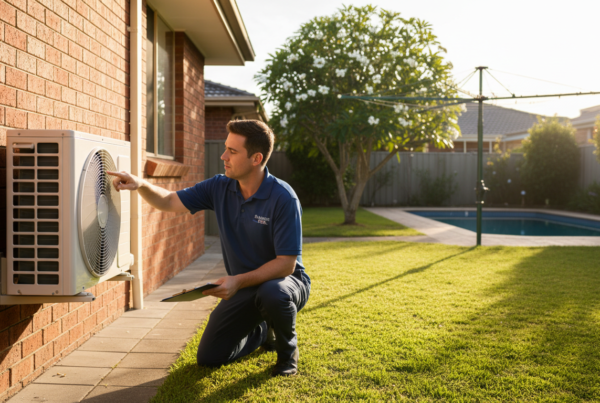
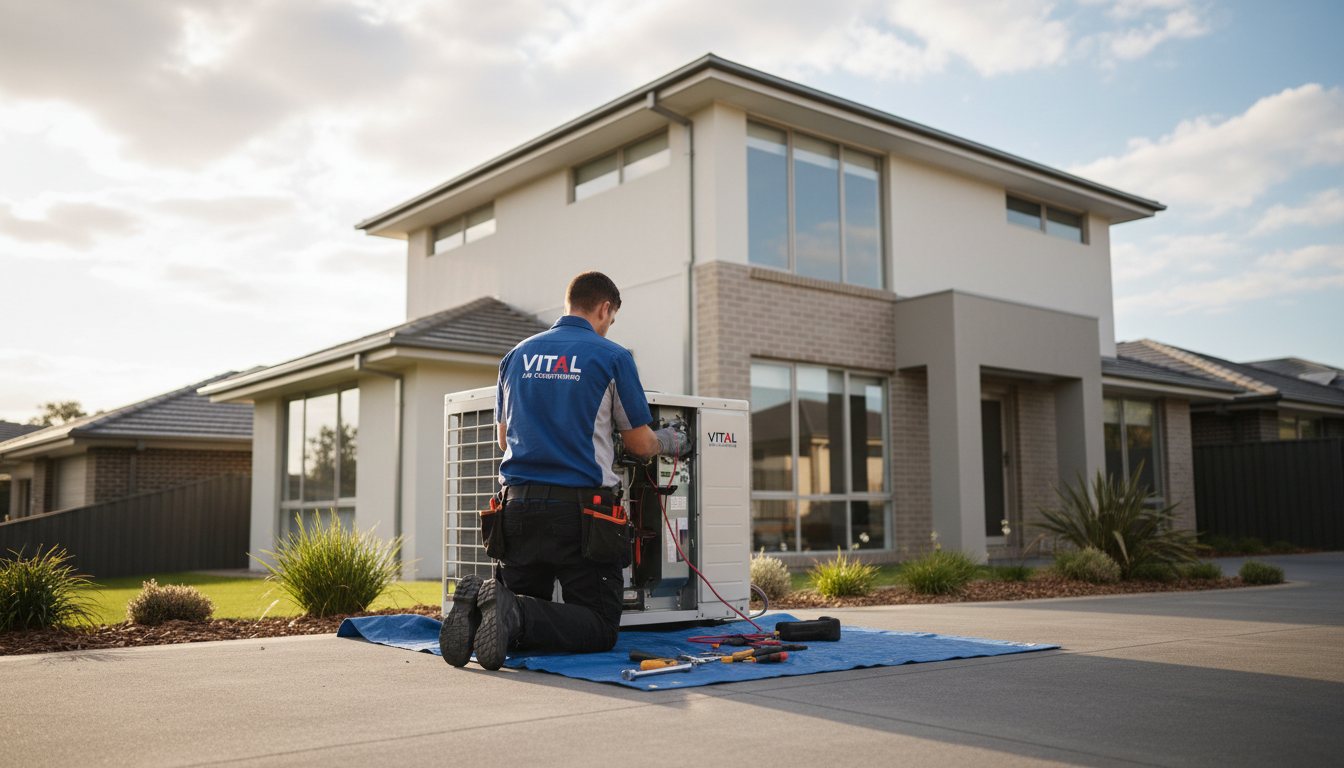
Many Sydney homeowners book an air conditioning service without understanding what technicians actually inspect, test, and document during the visit. This lack of transparency can make routine maintenance feel like an unnecessary expense rather than essential equipment protection. Understanding the specific checks performed during a professional aircon service helps you evaluate whether you’re receiving thorough work and allows you to make informed decisions about how often you should schedule professional servicing based on your system’s condition and operating environment.
A comprehensive air conditioning service involves far more than filter cleaning. ARC Tick licensed technicians follow systematic inspection procedures that comply with Australian Standards, test refrigerant systems using calibrated equipment, verify electrical safety, and document findings in detailed service reports. According to the Australian Institute of Refrigeration, Air Conditioning and Heating (AIRAH), regular servicing can improve air conditioning efficiency by 15-25% and extend equipment lifespan by 40%. The Australian Refrigeration Council reports that over 60% of premature air conditioning failures in NSW are attributed to inadequate maintenance and refrigerant issues that could have been detected during routine service.
This guide explains exactly what happens during each stage of a professional air conditioning service, the technical standards technicians must follow, and what documentation you should receive after every visit.
What Happens During a Professional Air Conditioning Service
A thorough air conditioning service follows a systematic inspection sequence that addresses every component affecting system performance, safety, and efficiency. Qualified technicians work through a standardised checklist that ensures compliance with AS/NZS 5149.1:2016 (Refrigerating systems – Safety requirements) and AS/NZS 3000:2018 (Electrical installations – Wiring rules). The complete process typically takes 60-90 minutes for split systems and 2-3 hours for ducted installations, depending on zone configuration and accessibility.
Technicians begin by recording baseline operating conditions including ambient temperature, indoor temperature, and system runtime before shutdown. This data establishes performance benchmarks that inform subsequent testing and helps identify efficiency degradation over time. The inspection then proceeds through mechanical, refrigeration, electrical, and drainage systems in a logical sequence that minimises system downtime while ensuring nothing is overlooked.
Air Filter Inspection and Cleaning
Filter inspection is the first physical component check during any air conditioning service. Technicians remove and assess filter condition, noting contamination type and severity. Dust accumulation, biological growth, or structural damage all indicate different operating conditions or maintenance neglect. Standard mesh filters can be cleaned with low-pressure water and mild detergent, while electrostatic and HEPA filters require specific cleaning methods outlined in manufacturer specifications.
Heavily contaminated filters that restrict airflow by more than 30% should be replaced rather than cleaned, as cleaning cannot restore full filtration efficiency once media fibres are compressed. Technicians measure static pressure across the filter housing to quantify restriction and determine whether replacement is necessary. For detailed guidance on different filter types and appropriate cleaning intervals, refer to our comprehensive guide on filter maintenance and replacement procedures.
Filter housing inspection includes checking seals and gaskets that prevent bypass airflow. Even minor gaps allow unfiltered air to enter the system, depositing contaminants directly on evaporator coils and reducing heat transfer efficiency. Vital Air Conditioning technicians photograph filter condition before and after cleaning to document the service work and provide visual evidence of maintenance needs in the service report.
Refrigerant Pressure Testing and Leak Detection
Refrigerant system testing is the most technically critical component of any air conditioning service and must be performed by ARC Tick licensed technicians in accordance with AS/NZS 5149.1:2016. This standard establishes mandatory procedures for refrigerant handling, leak detection, and pressure testing that protect both technician safety and environmental compliance. Only qualified professionals can legally connect gauges to refrigerant systems or add refrigerant charge.
Technicians connect calibrated manifold gauges to service ports on both the high-pressure (liquid) and low-pressure (suction) sides of the system. Operating pressures vary by refrigerant type and ambient conditions, but typical ranges for common refrigerants in cooling mode are 1100-1300 kPa for R410A high side and 2400-2800 kPa low side, while R32 systems typically operate at 1000-1200 kPa high side and 2200-2600 kPa low side. Pressures outside these ranges indicate undercharge, overcharge, or mechanical faults requiring further diagnosis.
Leak detection uses electronic sensors that detect refrigerant concentrations as low as 3 grams per year, or UV dye that fluoresces under ultraviolet light to pinpoint leak locations. Common leak points include flared connections at service valves, brazed joints on copper pipework, and mechanical seals on compressor shafts. Even minor leaks compromise system efficiency and contribute to environmental harm, making detection and repair essential. Understanding why ARC Tick licensed technicians are essential becomes clear when considering the legal and safety implications of refrigerant work.
Electrical Component Safety Checks
Electrical safety testing ensures all components operate within manufacturer specifications and comply with AS/NZS 3000:2018 (Electrical installations – Wiring rules). Technicians use digital multimeters to measure voltage at the compressor, fan motors, and control board, verifying supply voltage matches nameplate requirements. Voltage variations exceeding 10% indicate supply problems that can damage sensitive electronics and reduce compressor lifespan.
Amperage testing measures current draw at each major component during operation. Compressor amperage significantly above nameplate rating indicates mechanical wear, refrigerant overcharge, or restricted airflow forcing the motor to work harder. Fan motor amperage testing identifies bearing wear or blade imbalance before catastrophic failure occurs. These measurements provide early warning of developing faults that would otherwise cause unexpected breakdowns during peak summer demand.
Capacitor testing is particularly important for Sydney systems that experience high ambient temperatures. Start and run capacitors store electrical charge that provides the initial torque to start compressor and fan motors. Technicians measure capacitance in microfarads and compare readings to nameplate values. Capacitors operating outside 6% tolerance should be replaced, as weakened capacitors cause hard starting, increased power consumption, and premature motor failure. Earth continuity testing verifies protective earth connections maintain less than 1 ohm resistance, ensuring electrical faults trip safety devices rather than energising metal cabinets.
Condensate Drain System Inspection
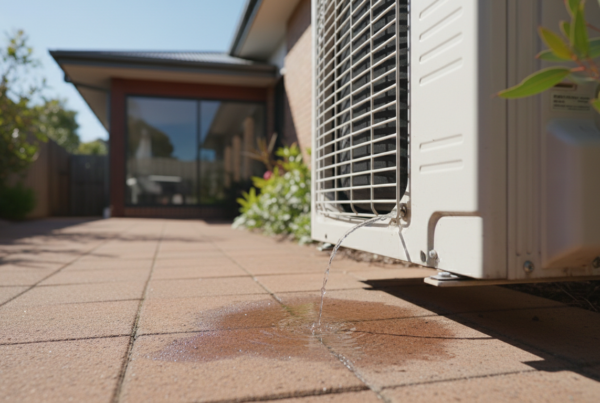
Condensate drainage inspection prevents water damage and biological contamination that commonly affect Sydney air conditioning systems operating in humid conditions. During cooling operation, indoor evaporator coils operate below dew point temperature, causing moisture in the air to condense on coil surfaces. This condensate must drain freely through dedicated pipework to prevent overflow that damages ceilings, walls, and furnishings.
Technicians inspect the drain pan beneath the evaporator coil for standing water, rust, or biological growth. Standing water indicates blocked drainage, while rust suggests long-term moisture exposure that may have compromised pan integrity. Drain lines are flushed with clean water to verify flow and identify partial blockages. Biological growth in drain pans and lines creates foul odours and can completely obstruct drainage within weeks during Sydney’s humid summer months.
For systems with condensate pumps, technicians test float switch operation and verify the pump activates at the correct water level and delivers adequate flow pressure. Pump failure causes rapid overflow that can damage property within hours. Understanding common issues helps homeowners recognise problems early, as detailed in our guide to condensate drain blockages and refrigerant leaks.
Indoor and Outdoor Coil Cleaning
Coil cleanliness directly affects heat transfer efficiency and system performance. Indoor evaporator coils and outdoor condenser coils both require inspection and cleaning during comprehensive air conditioning services. Contaminated coils reduce airflow, decrease heat transfer capacity, and force compressors to run longer to achieve desired temperatures, significantly increasing operating costs.
Indoor evaporator coils accumulate dust, biological growth, and airborne contaminants that bypass filters or enter through gaps in filter housing. Technicians use specialised coil cleaning solutions and low-pressure water to remove contamination without damaging delicate aluminium fins. Coil cleaning must be thorough, as even light contamination reduces heat transfer efficiency by 10-15%. After cleaning, technicians measure temperature differential across the coil during operation, verifying the difference between entering air and leaving air falls within the typical 7-10°C range for cooling mode.
Outdoor condenser coils face harsher contamination from dust, pollen, grass clippings, and airborne debris common in Sydney’s suburban environment. Heavy contamination restricts airflow through the coil, causing high refrigerant pressures and compressor overheating. Technicians clean condenser coils from both sides using appropriate pressure and cleaning agents that remove contamination without bending fins. Bent fins are straightened using fin combs to restore proper airflow patterns. Vital Air Conditioning has delivered transparent, thorough air conditioning service across Sydney for over 25 years, with coil cleaning procedures that restore factory-level heat transfer efficiency.
Thermostat Calibration and Control Testing
Thermostat accuracy directly affects comfort and operating efficiency. Technicians test thermostat calibration by comparing displayed temperature against calibrated reference thermometers placed at the thermostat location. Temperature accuracy should fall within ±1°C of actual room temperature. Thermostats reading incorrectly cause systems to overcool or undercool spaces, wasting energy and reducing comfort.
Control testing verifies all operating modes function correctly including cooling, heating, fan-only, and automatic changeover where applicable. Technicians test temperature setpoint response, fan speed control, and timer functions to ensure the system responds appropriately to user inputs. Wireless thermostat batteries are tested and replaced if voltage drops below manufacturer specifications.
For ducted systems with zone control, technicians test each zone damper for proper operation and verify airflow distribution matches zone settings. Damper motors that fail to respond or move sluggishly indicate mechanical wear or control board faults requiring repair. Zone sensor calibration is checked across all zones to ensure consistent temperature control throughout the building.
Fan Motor and Blower Assembly Inspection
Fan motor and blower assembly inspection identifies mechanical wear before it causes system failure. Indoor blower motors are inspected for bearing noise, vibration, and proper mounting. Excessive noise or vibration indicates bearing wear that will eventually cause motor failure. Technicians measure blower wheel condition, checking for dust accumulation that creates imbalance and reduces airflow capacity.
Blower wheels are cleaned when dust accumulation exceeds 2mm thickness, as contaminated wheels significantly reduce airflow and create noise from imbalance. Static pressure measurements across the blower assembly quantify airflow restriction and help identify ductwork problems or undersized return air grilles that starve the system of adequate airflow.
Outdoor fan motors are inspected for bearing condition, blade integrity, and mounting security. Fan blades are checked for cracks, chips, or imbalance that create vibration and noise. Motor mounting bolts are tightened to manufacturer torque specifications to prevent vibration transmission to the cabinet. Technicians verify fan direction and measure airflow across the condenser coil to ensure adequate heat rejection capacity.
What Technicians Document in Service Reports
Comprehensive service reports document all inspection findings, test measurements, and maintenance work performed during the visit. Quality service reports provide transparency and create a maintenance history that tracks system condition over time. Every service report should include specific refrigerant pressures recorded during operation, electrical measurements for major components, filter condition assessment, and photographic evidence of component condition before and after cleaning.
Refrigerant pressure documentation includes high-side and low-side pressures, ambient temperature at time of measurement, and indoor temperature. These measurements allow comparison against manufacturer specifications and previous service records to identify developing problems. Electrical documentation includes voltage at the compressor and fan motors, amperage draw for each component, and capacitor microfarad readings with pass/fail assessment against nameplate values.
Detailed service reports reference relevant Australian Standards where applicable, particularly AS/NZS 5149.1:2016 for refrigerant work and AS/NZS 3000:2018 for electrical safety checks. Reports should clearly identify any components operating outside acceptable parameters and provide specific recommendations for repairs or replacement with cost estimates. Photographic documentation shows filter condition, coil cleanliness, and any identified faults, providing visual evidence that supports technical findings.
Vital Air Conditioning provides detailed service reports with every visit, documenting all measurements and inspection findings in clear language that helps homeowners understand their system condition and make informed maintenance decisions. This transparency builds trust and ensures customers receive value from every service visit.
How Often Should You Schedule Air Conditioning Service
Service frequency depends on operating hours, environmental conditions, and system age. Most manufacturers recommend annual servicing for residential systems operating under normal conditions. Systems in harsh environments including coastal locations with salt air exposure, dusty industrial areas, or buildings with high occupancy require more frequent servicing, typically every six months.
Commercial systems operating continuously or in demanding applications require quarterly servicing to maintain reliability and efficiency. High-use residential systems running more than 8 hours daily during Sydney’s extended summer season benefit from pre-season servicing in October and post-season inspection in April to address wear from heavy operation.
Systems showing warning signs that indicate immediate servicing is required including reduced cooling capacity, unusual noises, water leaks, or increased power consumption should be inspected immediately regardless of scheduled service intervals. Early intervention prevents minor issues from developing into expensive failures that require emergency repairs during peak demand periods.
Regular professional servicing protects equipment investment and maintains efficiency throughout the system’s operational life. Understanding how preventative maintenance reduces long-term repair costs helps homeowners view servicing as essential investment protection rather than discretionary expense.
By the Numbers
- STATAccording to the Australian Institute of Refrigeration, Air Conditioning and Heating (AIRAH), regular servicing can improve air conditioning efficiency by 15-25% and extend equipment lifespan by 40%
- STATThe Australian Refrigeration Council reports that over 60% of premature air conditioning failures in NSW are attributed to inadequate maintenance and refrigerant issues that could have been detected during routine service
- ✓
Confirm technician holds current ARC Tick refrigerant handling license and can provide license number on request - ✓
Request detailed service report documenting refrigerant pressures, electrical readings, and photographic evidence of component condition - ✓
Verify technician inspects both indoor evaporator coils and outdoor condenser coils, not just accessible filters - ✓
Ensure condensate drain system is flushed and tested for proper drainage, particularly before Sydney summer - ✓
Ask for thermostat calibration check to confirm temperature accuracy within ±1°C of set point - ✓
Confirm all electrical connections are inspected and tightened to manufacturer torque specifications per AS/NZS 3000:2018
Frequently Asked Questions
How long does a professional air conditioning service take?
A standard split system service typically takes 60-90 minutes, while ducted systems require 2-3 hours depending on zone configuration. ARC Tick licensed technicians must complete refrigerant handling procedures in accordance with AS/NZS 5149.1:2016, which cannot be rushed to maintain compliance and safety standards. Service duration also depends on system accessibility, contamination levels requiring extensive coil cleaning, and whether repairs are identified during inspection that require immediate attention.
What refrigerant checks are required during aircon service?
Technicians must measure refrigerant pressures using calibrated gauges, perform leak detection with electronic sensors or UV dye, and verify charge levels match manufacturer specifications. Under AS/NZS 5149.1:2016 (Refrigerating systems – Safety requirements), only ARC Tick licensed technicians can legally handle refrigerants including R32, R410A, and R22 systems. Pressure testing identifies undercharge or overcharge conditions, while leak detection locates refrigerant losses at connections, brazed joints, and mechanical seals before they cause complete system failure.
Do technicians test electrical safety during service?
Yes, licensed technicians inspect all electrical connections, measure voltage and amperage at the compressor and fan motors, test capacitors for proper microfarad ratings, and verify earth continuity. These checks ensure compliance with AS/NZS 3000:2018 (Electrical installations) and identify potential fire hazards before they cause system failure. Electrical testing also detects component wear that increases power consumption and reduces system reliability, allowing proactive replacement before emergency breakdowns occur during peak summer demand.
What should be included in an air conditioning service report?
A comprehensive service report documents refrigerant pressures, electrical readings, filter condition, coil cleanliness, condensate drain function, and any identified faults with photographic evidence. The report should reference specific AS/NZS standards where applicable and provide clear recommendations for repairs or component replacement with cost estimates. Quality service reports create maintenance history that tracks system condition over time, helping homeowners make informed decisions about repairs and replacement. Detailed documentation also supports warranty claims and demonstrates proper maintenance compliance.
Vital Air Conditioning has delivered transparent, thorough air conditioning service across Sydney for over 25 years. Our ARC Tick licensed technicians provide detailed service reports with every visit and back all work with a comprehensive 5-year warranty on parts and labour.