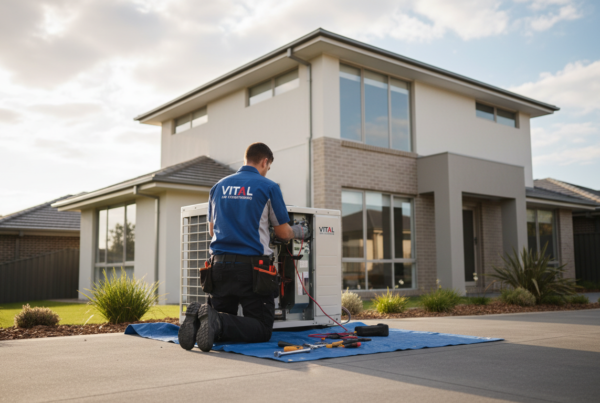
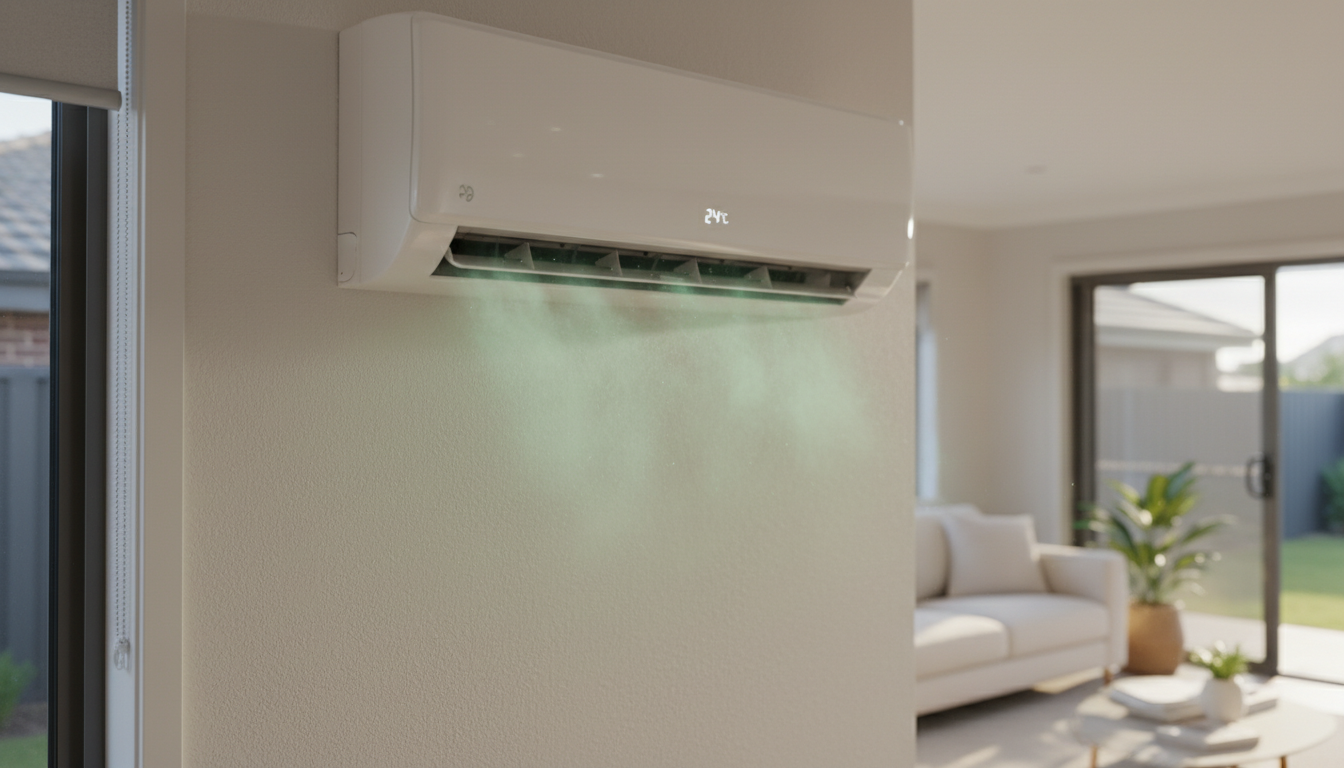
You switch on your air conditioner expecting cool, fresh air, but instead you’re greeted with an unpleasant odour that fills the room. Whether it’s a musty smell, a burnt electrical scent, or something chemical, these air conditioner smells are your system’s way of signalling a problem that requires attention. As qualified HVAC technicians with over 25 years servicing Sydney homes, we’ve diagnosed hundreds of odour-related issues, and understanding what each smell indicates can help you determine whether it’s a simple maintenance task or a situation requiring immediate professional intervention.
Air conditioning odours typically fall into distinct categories, each pointing to specific component failures or environmental conditions within your system. Sydney’s humid coastal climate creates ideal conditions for biological growth in air conditioning systems, while electrical faults and refrigerant leaks present more serious safety concerns. This diagnostic guide explains the most common air conditioner smells, what causes them, and when you need to call an ARC Tick certified technician rather than attempting DIY solutions.
Common Air Conditioner Odours and What They Mean
Air conditioning systems can produce several distinct odours, each indicating different underlying issues. Recognising these smells and understanding their causes allows you to respond appropriately, whether that means performing basic filter maintenance or immediately shutting down the system and calling a licensed technician. The most common categories include biological odours from microbial growth, electrical burning smells from component failure, chemical scents from refrigerant leaks, and organic decay odours from pest infiltration or drainage issues.
Musty or Mouldy Smell: Biological Growth in Your AC System
A musty or mildew odour is the most frequently reported air conditioner smell in Sydney homes, particularly after periods of non-use or during humid weather. This smell indicates biological growth—mould, mildew, or bacterial colonies—developing on moisture-laden components within your system. The evaporator coil operates at temperatures well below the dew point of indoor air, typically between 5°C and 10°C, causing water vapour to condense on the coil surface. When this condensation doesn’t drain properly or when the system remains damp during shutdown periods, it creates ideal conditions for microbial colonisation.
According to AIRAH (Australian Institute of Refrigeration, Air Conditioning and Heating), poorly maintained air conditioning systems can harbour bacterial concentrations exceeding 1,000 CFU/m³, contributing to sick building syndrome symptoms in 20-30% of building occupants. AS/NZS 3666.1:2011 (Air-handling and water systems of buildings — Microbial control) establishes maintenance requirements specifically to prevent this biological contamination, mandating regular cleaning of components exposed to moisture.
The primary locations for biological growth include the evaporator coil fins, the condensate drain pan beneath the indoor unit, the drain line itself, and contaminated air filters. Dust accumulation on these surfaces provides nutrients for microbial growth, while constant moisture provides the necessary environment. Our comprehensive guide to air conditioning filter maintenance explains how regular filter cleaning prevents dust accumulation that feeds biological growth, but coil cleaning requires professional equipment and antimicrobial treatments that only licensed technicians should apply.
Standing water in the drain pan or blocked condensate drains and water leaks exacerbate musty odours by creating stagnant pools where bacteria and algae thrive. During peak summer operation, a typical 7kW split system can produce 10-15 litres of condensate daily, all of which must drain freely to prevent biological growth. If you notice musty smells accompanied by water leakage or reduced cooling performance, the drain system requires immediate attention from qualified technicians who can clear blockages and verify proper drainage gradient.
Burnt Plastic or Electrical Smell: Wiring and Component Failure
A burnt plastic, acrid, or electrical odour from your air conditioner indicates component overheating or electrical failure—both serious conditions requiring immediate system shutdown and professional inspection. This smell typically originates from degraded wire insulation, overheating motors, failed capacitors, or burnt circuit board components. Unlike musty odours that develop gradually, electrical burning smells often appear suddenly and intensify quickly, sometimes accompanied by visible smoke or unusual sounds like buzzing or clicking.
Common electrical failure modes that produce burning odours include capacitor failure, where the electrolytic capacitor overheats and ruptures, releasing acrid fumes; motor bearing degradation, causing excessive friction and overheating of motor windings; loose electrical connections creating resistance heating and insulation breakdown; and compressor overload, where the compressor motor draws excessive current due to mechanical seizure or refrigerant issues. Each of these failures produces distinct odour characteristics, but all require professional diagnosis with specialised testing equipment.
AS/NZS 3000:2018 mandates proper circuit protection, correct cable sizing, and regular inspection of electrical connections to prevent these failures. At Vital Air Conditioning, our technicians perform comprehensive electrical safety checks during routine aircon maintenance visits, measuring voltage, current draw, and insulation resistance to identify deteriorating components before they fail catastrophically. This preventive approach is particularly important for systems over 10 years old, where component degradation accelerates and electrical failures become more common.
Chemical or Sweet Smell: Refrigerant Leak Indicators
A sweet, ether-like, or chemical odour from your air conditioner typically indicates refrigerant leakage from the sealed refrigeration circuit. Modern split systems use either R32 or R410A refrigerant, both of which have slightly sweet or chemical odours when leaked in sufficient concentration. The Australian Refrigeration Council reports that refrigerant leaks account for approximately 15% of residential AC service calls, with R32 and R410A being the most common refrigerants in modern split systems requiring ARC Tick licensed handling.
Refrigerant leaks occur at several common points: brazed joints on copper refrigerant lines, particularly where vibration causes work-hardening and eventual cracking; flared connections at service ports and indoor/outdoor unit interfaces where improper installation or repeated service work compromises seals; evaporator or condenser coil corrosion, especially in coastal Sydney locations where salt-laden air accelerates copper corrosion; and mechanical damage to refrigerant lines from building work, pest activity, or severe weather events.
Under AS/NZS 5149.1:2016 (Refrigerating systems and heat pumps — Safety and environmental requirements), only ARC Tick licensed technicians can legally handle, recover, and recharge refrigerants. This regulation exists because refrigerants are potent greenhouse gases requiring proper handling and recovery to prevent environmental damage, and because refrigerant system work requires specialised knowledge of pressure-temperature relationships, evacuation procedures, and leak detection methods. Our detailed guide on air conditioning refrigerant leak repairs explains why attempting DIY refrigerant work violates both environmental regulations and manufacturer warranties.
If you suspect a refrigerant leak based on chemical odours, reduced cooling performance, or visible oil staining around refrigerant connections, shut down the system and ensure adequate ventilation. While R32 and R410A are classified as low-toxicity refrigerants, they displace oxygen in confined spaces and can cause asphyxiation at high concentrations. ARC Tick certified technicians use electronic leak detectors, pressure testing, and ultraviolet dye methods to locate leaks precisely, then perform repairs using proper brazing techniques and pressure testing before recharging the system to manufacturer specifications.
Rotten Egg or Sewage Smell: Dead Pests or Drain Issues
A rotten egg, sewage, or decomposition odour from your air conditioner indicates either dead pests within the system or severe drain line contamination. Small animals and insects frequently enter outdoor units seeking shelter, particularly during cooler months, and become trapped when the system operates. Mice, rats, possums, and large insects can die within the outdoor unit cabinet, in ductwork, or behind the indoor unit, producing unmistakable decay odours that intensify as the fan circulates air across the decomposing remains.
Alternatively, this odour can originate from severely contaminated condensate drain lines where biological growth has progressed beyond simple mould to include anaerobic bacteria producing hydrogen sulphide gas. This occurs when drain lines become completely blocked, creating stagnant water conditions where sulphur-reducing bacteria thrive. The smell intensifies when the system operates and air pressure forces these gases back through the drain pan and into the conditioned space.
Locating and removing dead pests requires systematic inspection of the outdoor unit, indoor unit cavity, and any accessible ductwork. Outdoor units should be inspected quarterly for pest nests, particularly in the fan housing and beneath the compressor. Indoor units may harbour pests in the space between the unit and the wall, accessible only by removing the unit cover. Professional technicians have the tools and experience to safely remove pest remains, sanitise affected areas, and identify entry points requiring sealing to prevent recurrence.
For drain-related sewage odours, the condensate line requires flushing with appropriate antimicrobial solutions and verification of proper trap configuration. AS/NZS 3666.1:2011 specifies drain trap requirements to prevent sewer gas backflow in commercial systems, principles that apply equally to residential installations. If drain odours persist after cleaning, the drain line may require replacement or reconfiguration to eliminate low spots where water stagnates.
Health Implications of AC Odours in Sydney Homes
Air conditioner odours represent more than mere nuisances—they indicate contamination or system failures that can directly impact indoor air quality and occupant health. Sydney’s humid coastal climate exacerbates these health risks by promoting rapid biological growth and accelerating the release of microbial volatile organic compounds (MVOCs) from mould and bacterial colonies. Understanding the specific health implications of each odour type helps you assess urgency and prioritise professional intervention.
Musty odours from biological growth indicate airborne mould spores and bacterial fragments circulating through your home. Sensitive individuals, particularly those with asthma, allergies, or compromised immune systems, may experience respiratory irritation, increased asthma symptoms, allergic reactions, and persistent coughing or wheezing. AS/NZS 3666.1:2011 recognises these health risks and mandates regular cleaning specifically to prevent microbial amplification in air handling systems. Our article on enhancing indoor air quality explains how proper maintenance and filtration reduce these biological contaminants.
Electrical burning odours indicate the release of toxic combustion products from degraded plastics, wire insulation, and circuit board materials. These fumes can contain harmful compounds including carbon monoxide, hydrogen chloride from PVC insulation, and various aromatic hydrocarbons. Immediate evacuation and ventilation are appropriate responses to intense electrical burning odours, particularly if accompanied by visible smoke.
Refrigerant exposure from leaking systems presents different health concerns. While R32 and R410A are low-toxicity refrigerants, exposure to high concentrations can cause dizziness, headache, respiratory irritation, and in extreme cases, cardiac sensitisation. The primary risk in residential settings is oxygen displacement in confined spaces rather than direct toxicity. Adequate ventilation and professional leak repair eliminate this exposure risk.
When to Call a Licensed Technician vs DIY Solutions
Determining when air conditioner odours require professional intervention versus safe homeowner maintenance depends on the odour type, system accessibility, and the technical nature of the underlying cause. Some situations demand immediate professional response, while others allow for basic cleaning attempts before escalating to licensed air conditioning services.
Safe DIY responses to musty odours include cleaning or replacing return air filters, which homeowners can access on most split systems by lifting the front panel of the indoor unit. Filters should be cleaned monthly during peak usage periods using mild detergent and water, then dried completely before reinstallation. You can also inspect the visible portion of the condensate drain outlet, typically a PVC pipe exiting near the outdoor unit, to verify water flows freely during operation. These basic maintenance tasks address surface contamination but cannot reach the evaporator coil or internal drain pan where most biological growth occurs.
Immediate professional intervention is mandatory for electrical burning odours, chemical or refrigerant smells, persistent musty odours after filter cleaning, any odour accompanied by smoke or unusual sounds, and situations where water leaks indicate drain system failure. These scenarios involve sealed refrigeration systems, electrical components, or internal contamination requiring specialised tools and ARC Tick certification to address safely and legally. Our guide to signs your air conditioner needs professional servicing helps you recognise these urgent situations.
At Vital Air Conditioning, we provide same-day service for urgent odour-related issues throughout Sydney Metro, Hills District, Eastern Suburbs, and Inner West. Our ARC Tick certified technicians carry specialised equipment including antimicrobial coil cleaners, electronic leak detectors, electrical testing instruments, and refrigerant recovery systems to diagnose and resolve odour causes comprehensively. For electrical burning smells or suspected refrigerant leaks, our 24/7 emergency availability ensures you can shut down the system and schedule immediate inspection to prevent safety hazards or further damage.
Preventing AC Odours Through Regular Aircon Maintenance
Preventing air conditioner odours requires consistent maintenance addressing the underlying conditions that promote biological growth, electrical deterioration, and system contamination. A structured maintenance approach combining monthly homeowner tasks with annual professional servicing eliminates most odour-causing issues before they develop. Understanding how often you should have your air conditioner serviced establishes the foundation for odour prevention.
The role of air filters in maintaining indoor air quality cannot be overstated—clean filters prevent dust accumulation on evaporator coils that provides nutrients for biological growth. Monthly filter cleaning during summer operation removes this contamination source before it reaches internal components. Beyond filtration, ensuring proper condensate drainage prevents the standing water that enables microbial colonisation. During professional servicing, technicians verify drain line gradient, clear any developing blockages, and treat drain pans with appropriate antimicrobial solutions.
Annual professional servicing should include evaporator coil inspection and cleaning, condensate drain system verification and treatment, electrical connection tightening and inspection, refrigerant pressure testing to detect developing leaks, outdoor unit cleaning and pest exclusion inspection, and indoor unit cabinet cleaning and sanitisation. This comprehensive approach addresses all common odour sources before they produce noticeable smells or affect system performance.
For Sydney homes, seasonal preparation before peak summer demand provides an ideal opportunity for this comprehensive maintenance. Testing system operation after extended winter shutdown periods identifies any odours that developed during dormancy, allowing correction before continuous operation begins. This timing also ensures your system operates at peak efficiency when cooling demand and electricity costs are highest.
- ✓
Clean or replace return air filters monthly during summer operation to prevent dust and biological accumulation - ✓
Inspect condensate drain lines quarterly for blockages and ensure proper drainage away from the indoor unit - ✓
Schedule annual professional servicing including evaporator coil cleaning and electrical connection inspection - ✓
Check outdoor unit surroundings for dead vegetation, pest nests, or debris that could cause odours when the fan operates - ✓
Verify that indoor unit drain pans are clean and free of standing water that promotes microbial growth - ✓
Test system operation after extended shutdown periods to identify odours before peak summer demand
Frequently Asked Questions
Why does my air conditioner smell like mould when I first turn it on?
Mould odour on startup indicates microbial growth on evaporator coils or in the condensate drain pan, typically caused by moisture accumulation during periods of non-use. AS/NZS 3666.1:2011 (Air-handling and water systems of buildings — Microbial control) requires regular cleaning of moisture-prone components to prevent this contamination. The smell intensifies when the fan first operates because it circulates air across mould colonies that developed while the system was dormant. ARC Tick licensed technicians can perform antimicrobial treatment of the evaporator coil and drain system, verify proper drain line function, and eliminate the biological growth causing the odour.
Is a burning smell from my air conditioner dangerous?
Yes, burning odours indicate electrical component failure, overheating motors, or insulation degradation — all requiring immediate shutdown and professional inspection. AS/NZS 3000:2018 (Electrical installations — Wiring Rules) mandates proper circuit protection and component ratings to prevent these failures, but age and environmental factors can cause deterioration over time. The burning smell typically originates from degraded wire insulation, failed capacitors releasing acrid fumes, or motor bearings generating excessive friction heat. Only ARC Tick certified technicians should inspect electrical faults to prevent fire risk and ensure repairs comply with Australian electrical safety standards.
What does a sweet chemical smell from my AC mean?
A sweet or ether-like odour typically indicates refrigerant leakage from coils, connections, or service ports in the sealed refrigeration circuit. Under AS/NZS 5149.1:2016 (Refrigerating systems and heat pumps — Safety and environmental requirements), only ARC Tick licensed technicians can legally handle, recover, and recharge refrigerants due to their environmental impact and the specialised knowledge required for safe system work. Modern split systems use R32 or R410A refrigerant, both having slightly sweet odours when leaked. Refrigerant exposure requires adequate ventilation and immediate professional repair to locate the leak source, perform proper brazing or connection repairs, and recharge the system to manufacturer specifications.
How often should I clean my air conditioner to prevent smells?
Filters should be cleaned monthly during peak usage periods, with professional servicing annually as recommended by most manufacturers and AS/NZS 3666.1:2011 maintenance schedules. Sydney’s humid coastal climate accelerates biological growth on evaporator coils and in drain systems, making consistent maintenance critical for odour prevention and system efficiency. Monthly filter cleaning prevents dust accumulation that feeds mould growth, while annual professional servicing addresses internal components including evaporator coil cleaning, drain system treatment, and electrical connection inspection. This combination of homeowner maintenance and professional servicing eliminates the conditions that produce musty, electrical, or chemical odours before they develop into noticeable problems.
If your air conditioner is producing unusual odours, contact Vital Air Conditioning for expert diagnosis and repair. With over 25 years serving Sydney homes and ARC Tick certified technicians, we provide same-day service backed by our comprehensive 5-year warranty on workmanship.